
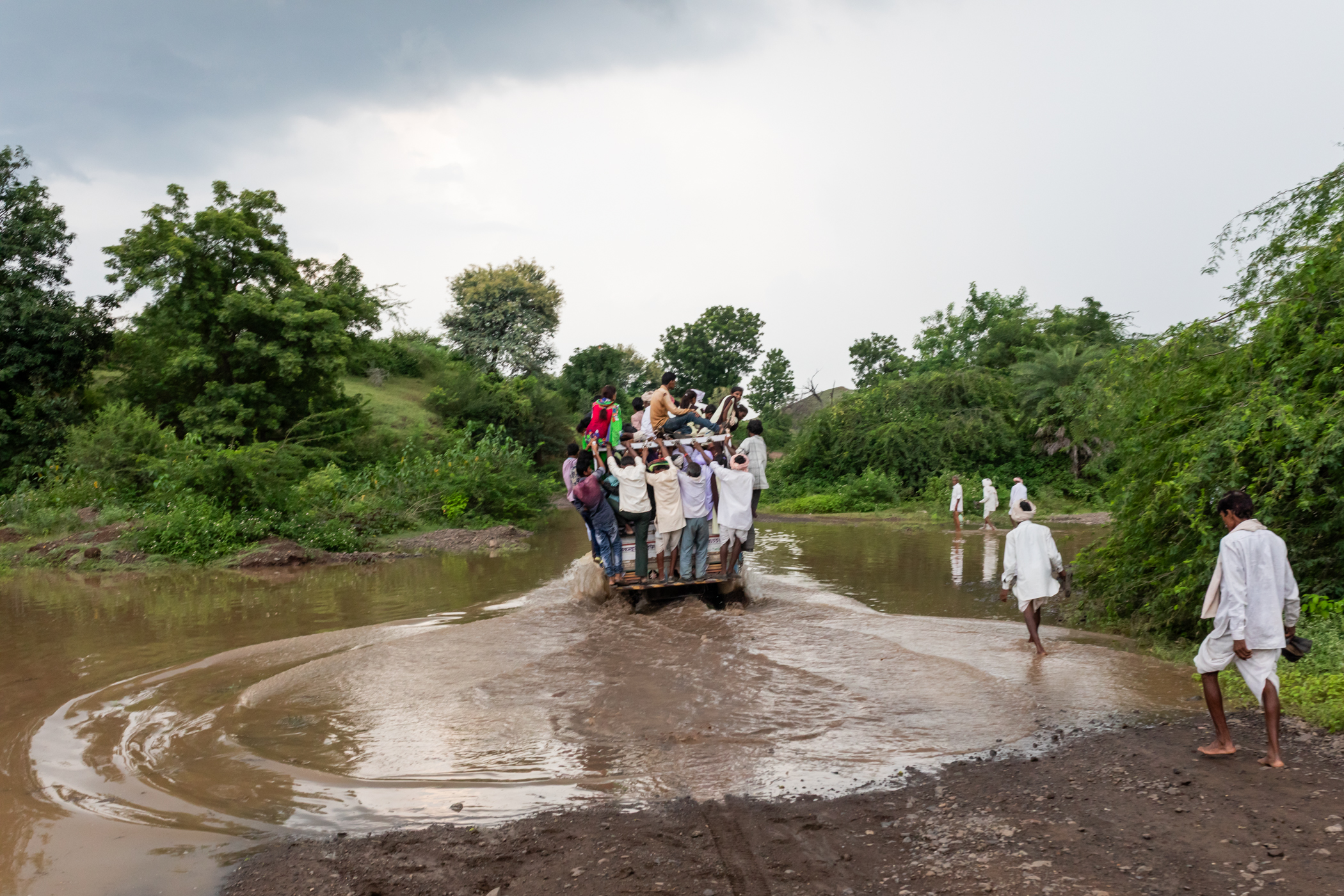
A pickup truck carrying passengers back from the weekly market in Nisarpur, Madhya Pradesh, drives through the rushing backwaters of the Sardar Sarovar Dam reservoir. September 11, 2017.
Earlier, on June 17, all gates of the controversial Sardar Sarovar Dam on the Narmada River were closed together for the first time, leading to the gradual submergence of areas upstream.
Waters Close Over Us
The Sardar Sarovar is the largest dam in the Narmada Valley Project, a multipurpose river development initiative that includes several dams on the Narmada river and its tributaries in west-central India. Originally planned to be 80 metres tall, the dam was eventually built to nearly 139 metres. By volume, it is now the world’s second-largest concrete gravity dam and remains one of the most debated development projects in India.
For decades, groups such as the Narmada Bachao Andolan (NBA), led by activist Medha Patkar, opposed the project. They argued that it has caused extensive environmental, economic, social and cultural harm. The NBA estimates that the project has affected at least 40,000 households in Madhya Pradesh alone. Around 90 per cent of them have not been fully resettled or rehabilitated, and many still live in villages that face the risk of being submerged in the near future.
The dam, 56 long years in the making, was inaugurated by the Prime Minister Narendra Modi on September 17, 2017. Earlier, on June 17, authorities declared the dam’s construction complete and ordered closure of all its gates together for the first time, leading to gradual submergence of upstream regions.
Travelling through the submergence zone in the Dhar, Khargone, Alirajpur and Barwani districts of Madhya Pradesh a few days before the inauguration, I found that thousands continue to live dangerously close to the rising backwaters, in the absence of proper resettlement and rehabilitation measures.
The work has appeared in The Caravan Magazine and The Hindu Businessline.
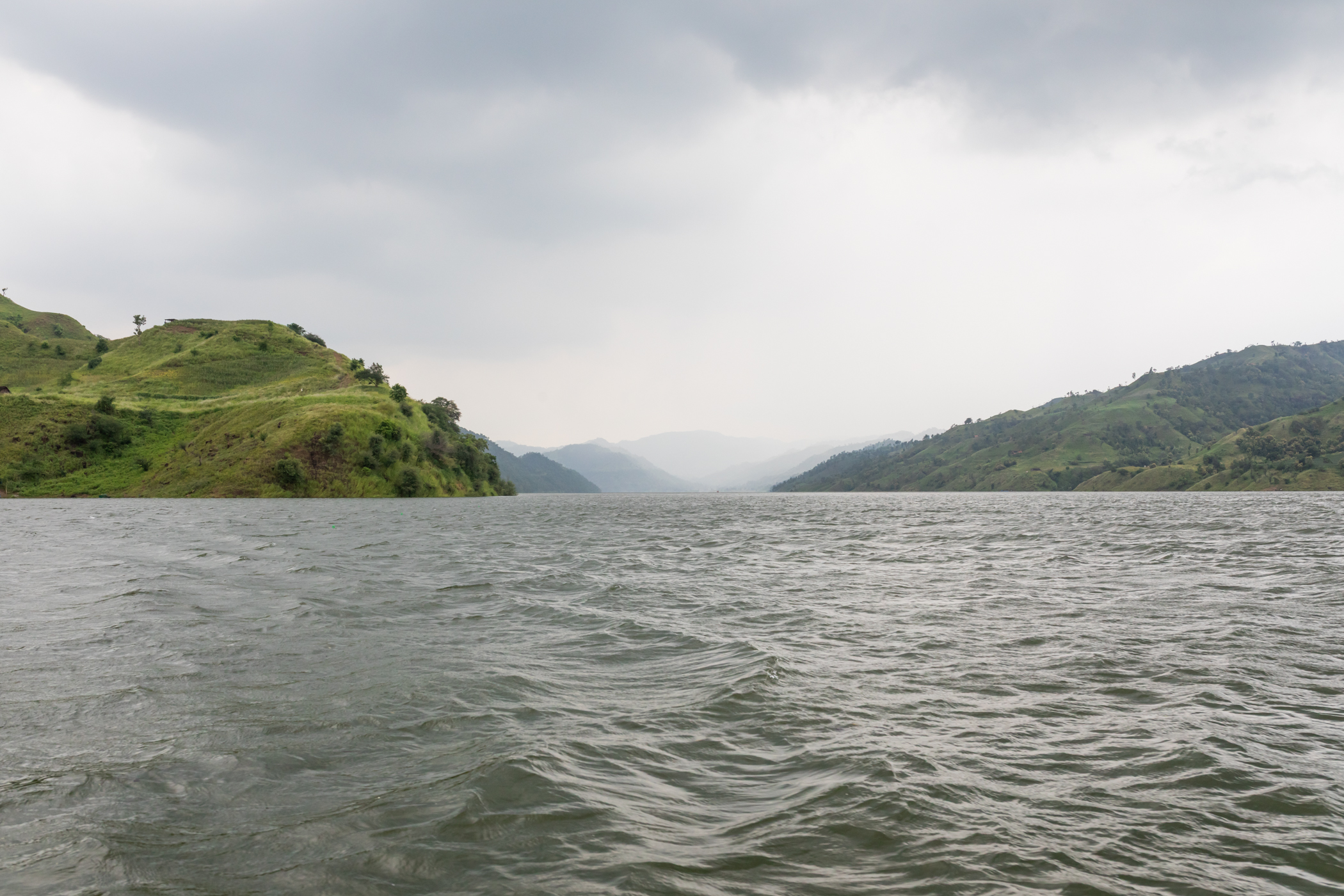
The Narmada is the fifth longest river in India and forms the traditional boundary between north and south India. Kakrana, Madhya Pradesh. September 12, 2017.
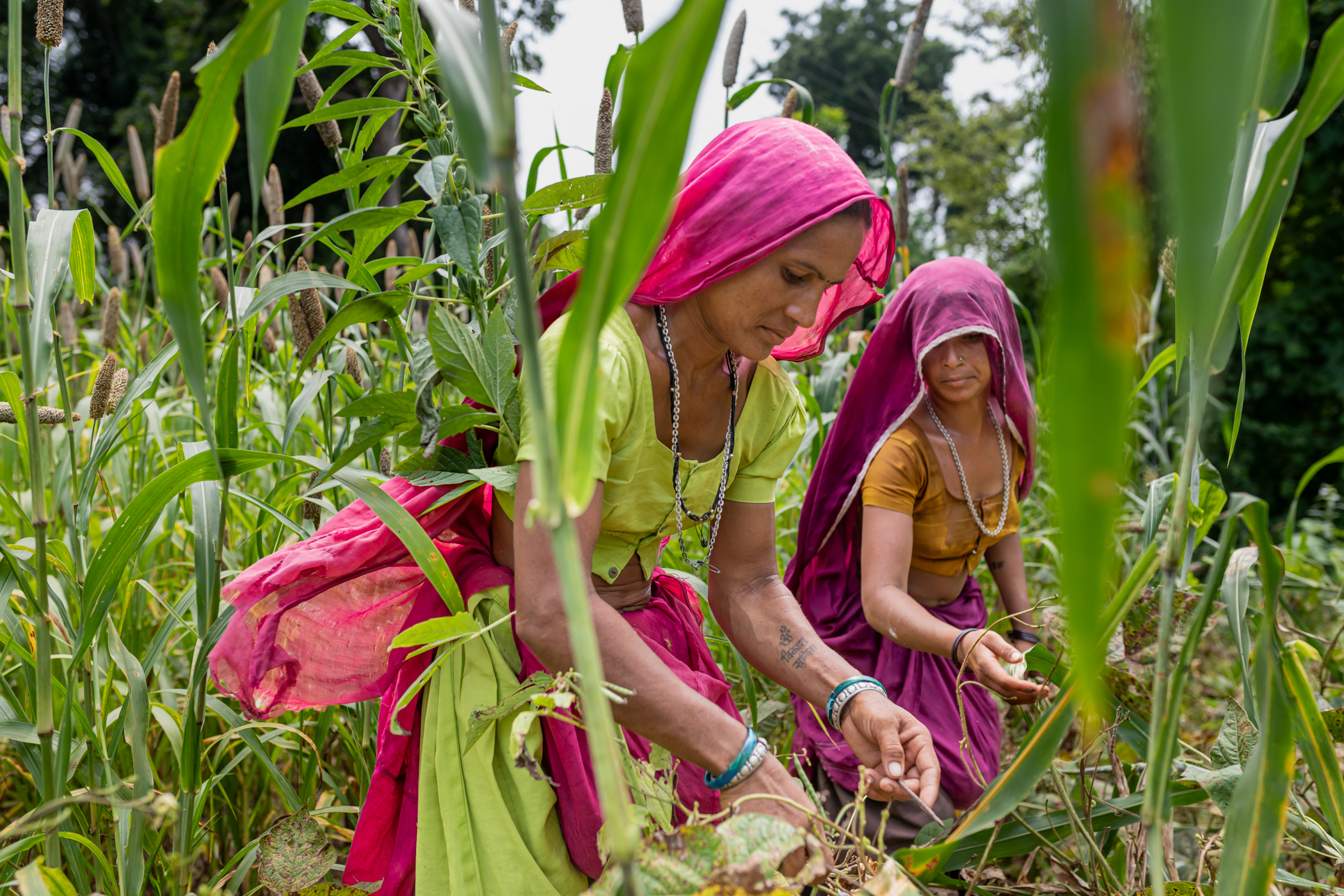
Sunita Kharte, 25, and Solita Kharte, 20, pick green gram from their farm on a foothill in Borkhedi, Barwani, Madhya Pradesh. The backwaters are now less than 100 metres from their home. Faced with the threat of submersion, the Khartes, who are Barela Adivasis, have sown the quick-yielding bajra and green gram instead of cotton and maize. September 09, 2017.
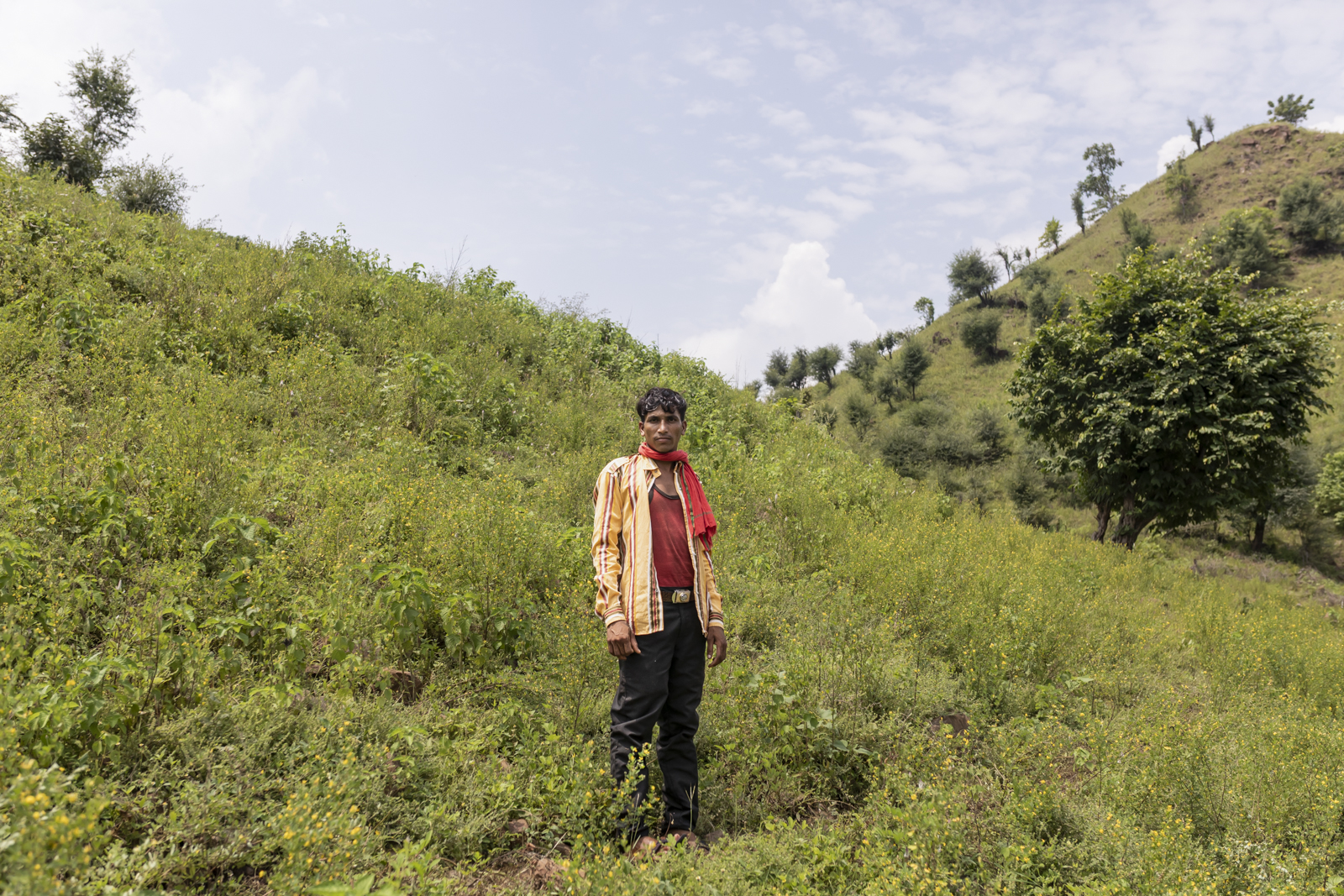
A villager from an interior settlement arrives to pick up a relative who had just arrived by a boat from Kakrana, Madhya Pradesh. September 12, 2017.
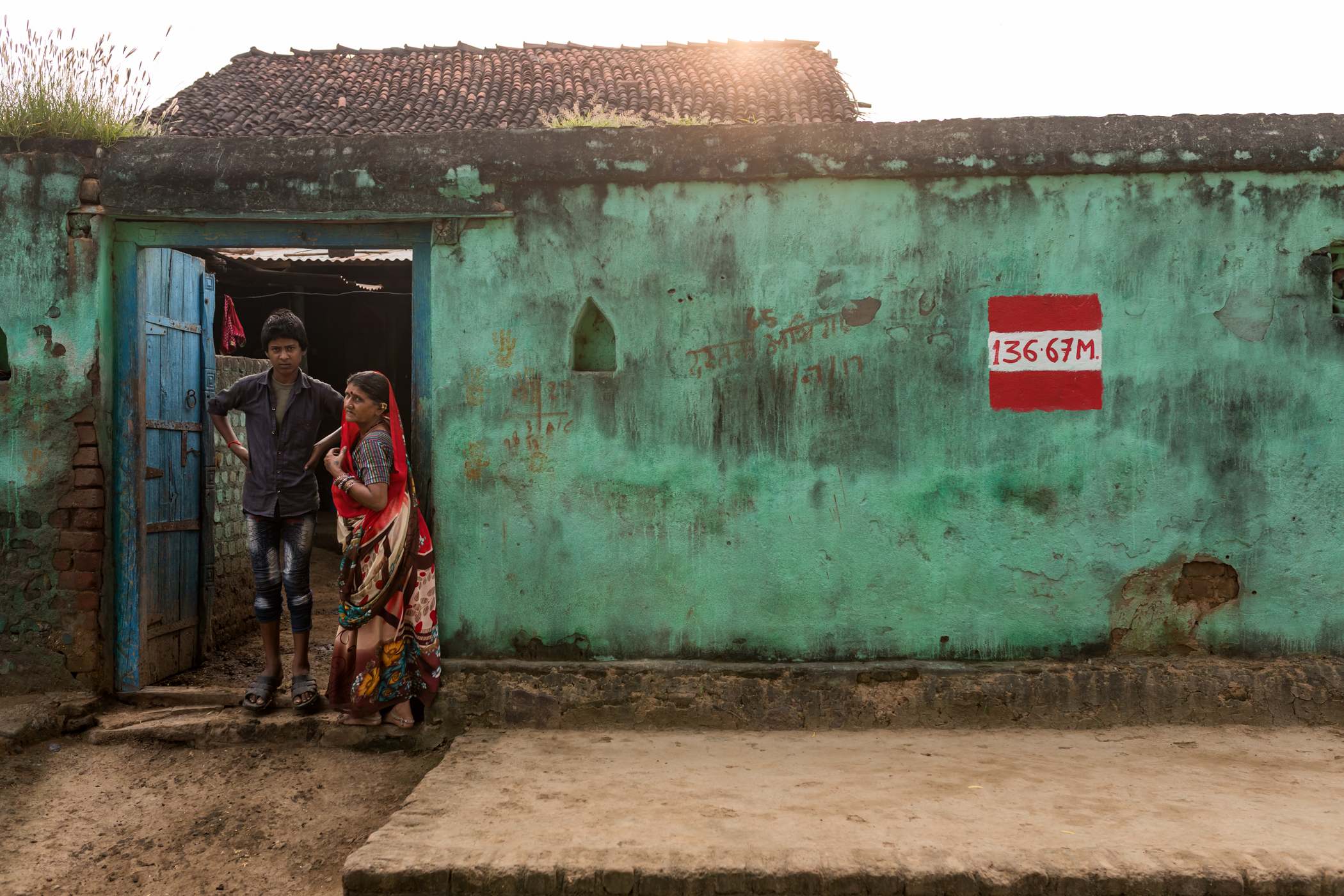
Officials mark the water level in the Sardar Sarovar Dam’s reservoir at which a house would submerge in Awali in Barwani, Madhya Pradesh. September 08, 2017.
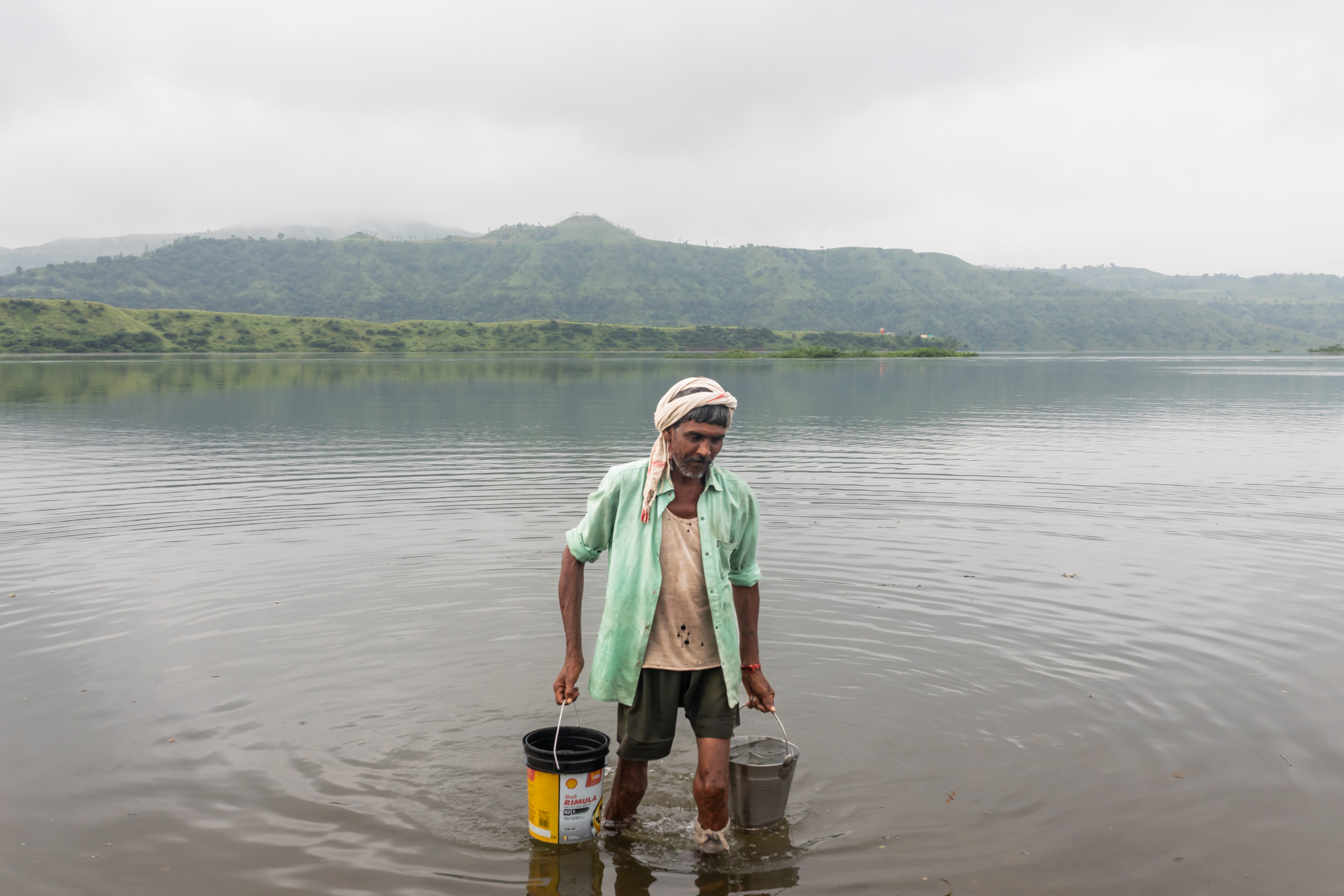
Nasra Solanki, 50, fetches water from the Narmada at Kakrana, Alirajpur, Madhya Pradesh. Not too long ago, before the Sardar Sarovar Dam’s gates were closed on June 17, the village extended all the way up till the green strip of land seen in the distance, he said. September 12, 2017.
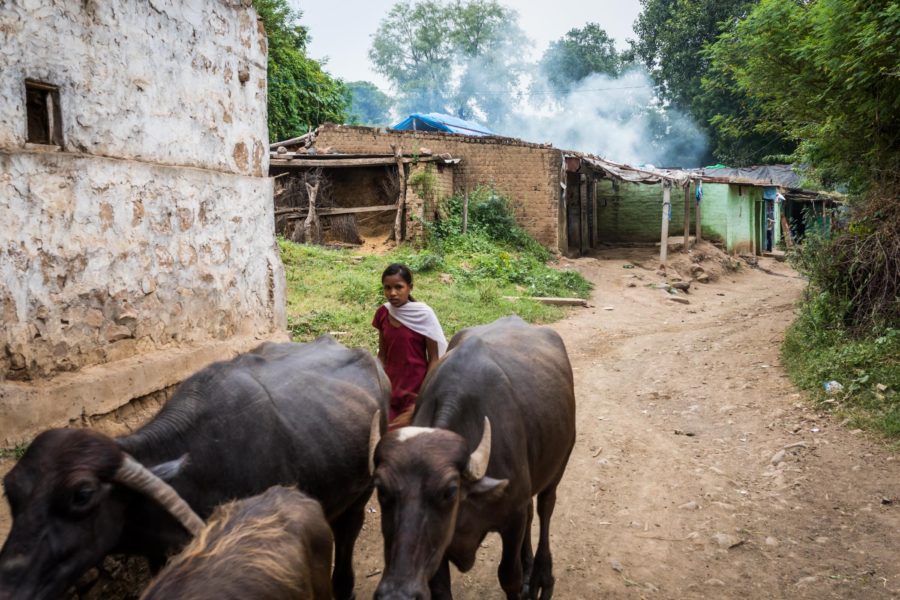
Pichhodi in Barwani was first washed away in the floods of 1970, forcing villagers to move to higher ground. That settlement too was later submerged by the reservoir in 2013. Now resettled once again, villagers find themselves on the brink of submergence yet again. September 09, 2017.
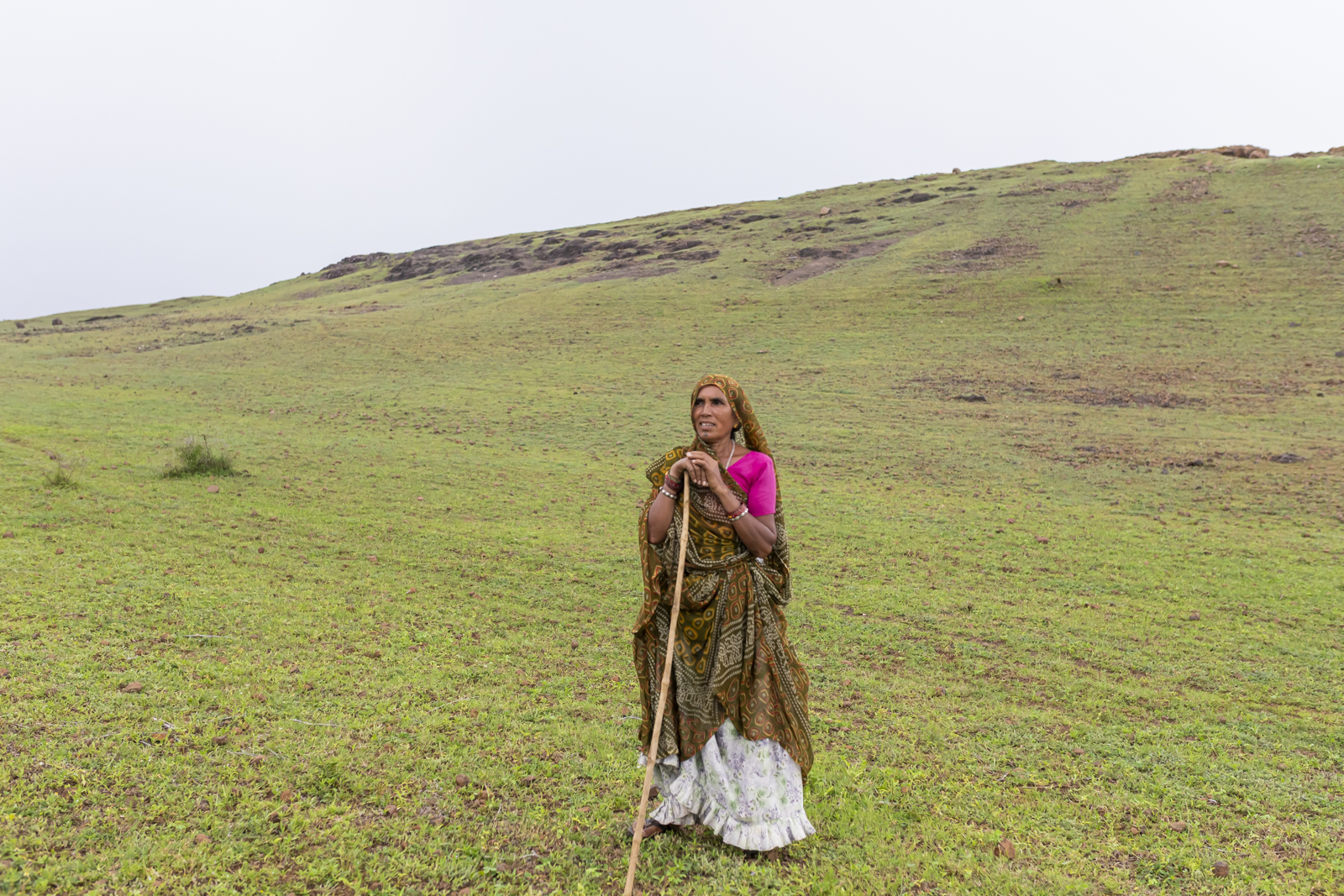
An Indigenous Barela pastoralist in the Narmada submergence region near Chandankhedi, Dhar, Madhya Pradesh. September 11, 2017.
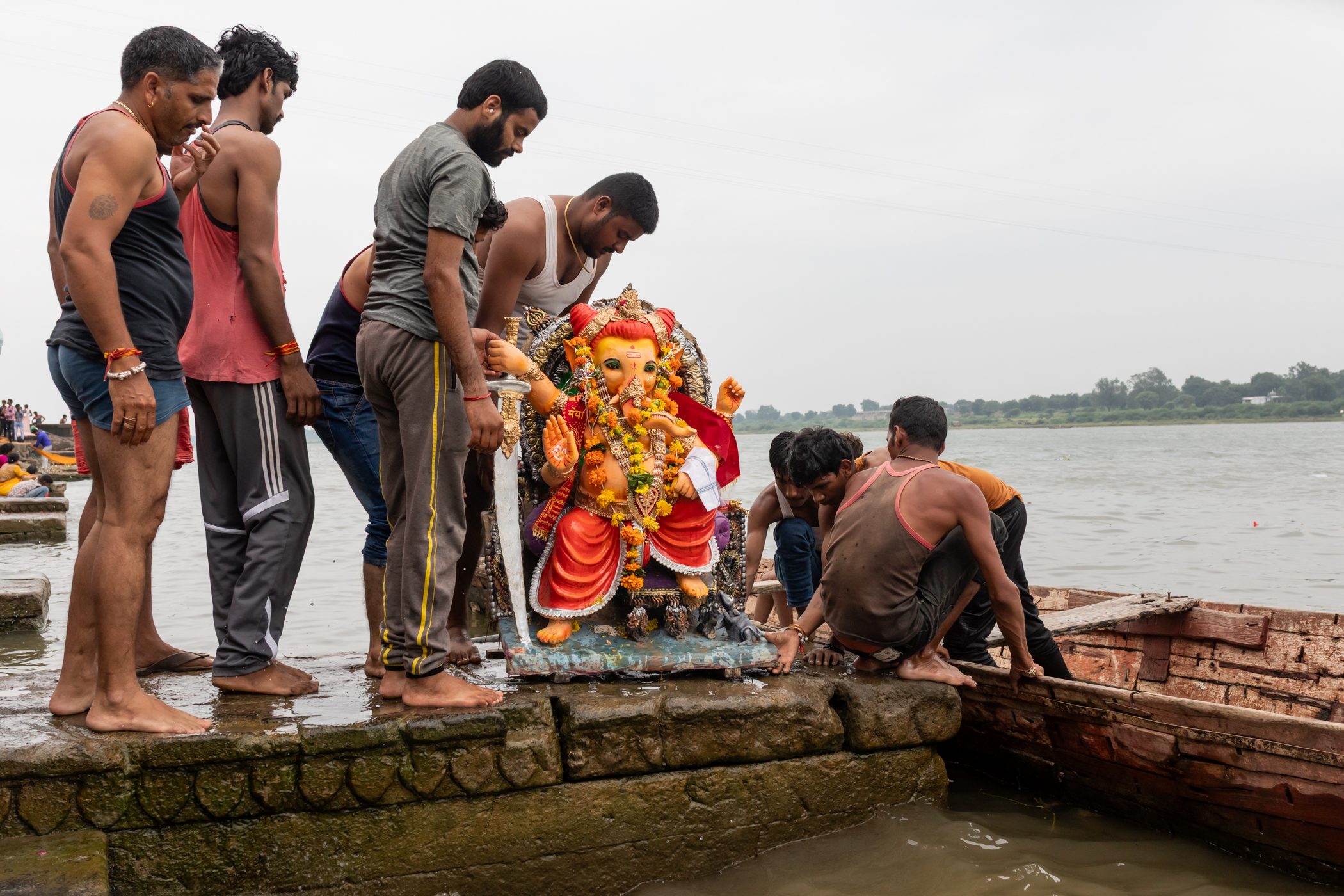
The Narmada is considered one of the seven sacred rivers of India, and holy sites along its course attract large numbers of pilgrims throughout the year. At Maheshwar in Khargone, Madhya Pradesh, devotees prepare to immerse an idol of Lord Ganesh in the river after celebrating Ganesh Chaturthi. September 05, 2017.
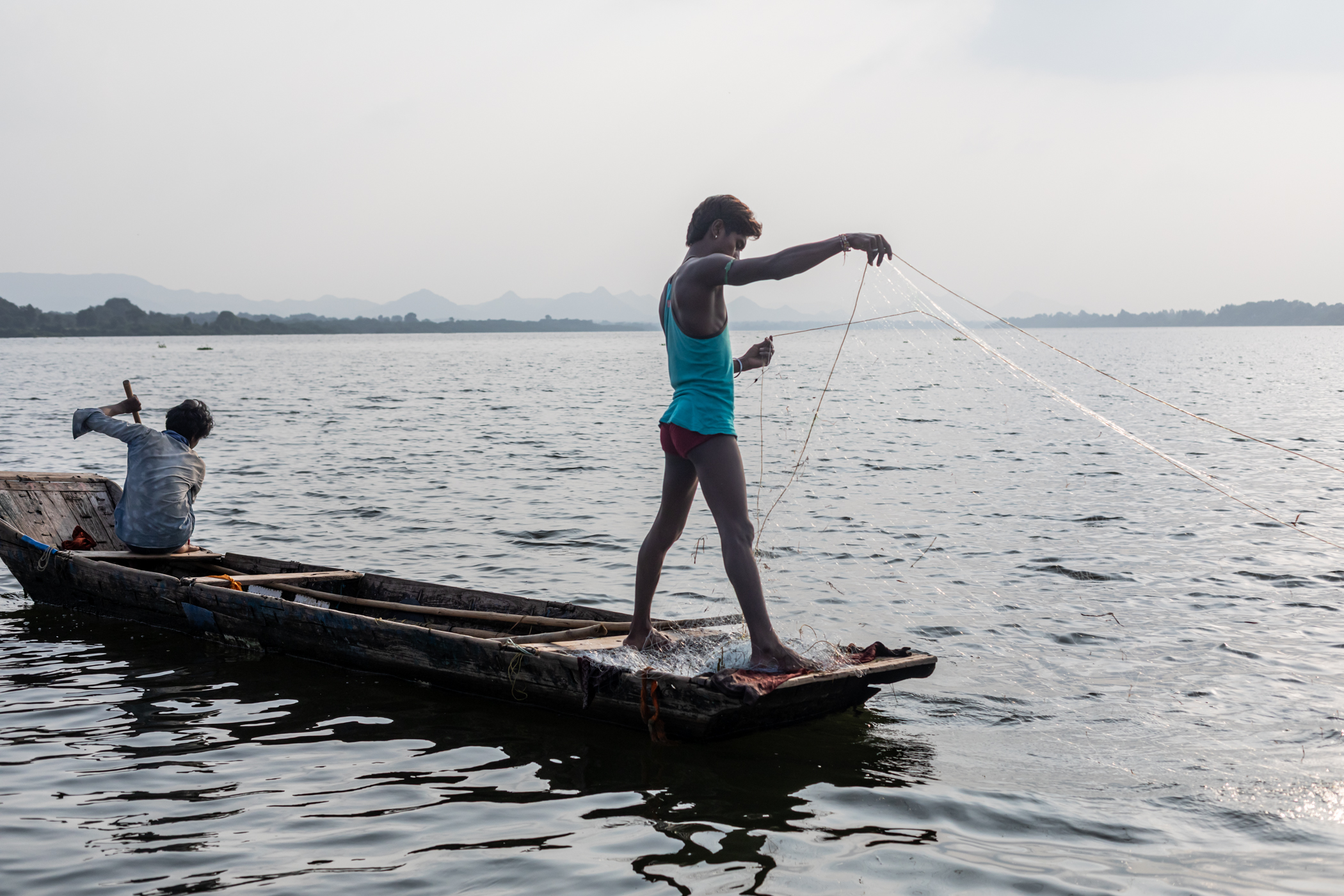
A fisherman casts his net in the dammed water of the Narmada near Chikhalda in Dhar, Madhya Pradesh. “We now catch only two or three species, down from the seven or so we once did,” said Radheshyam Varma, 49, a resident of the village. “We need larger nets to reach the depths where some species now live.” September 6, 2017.
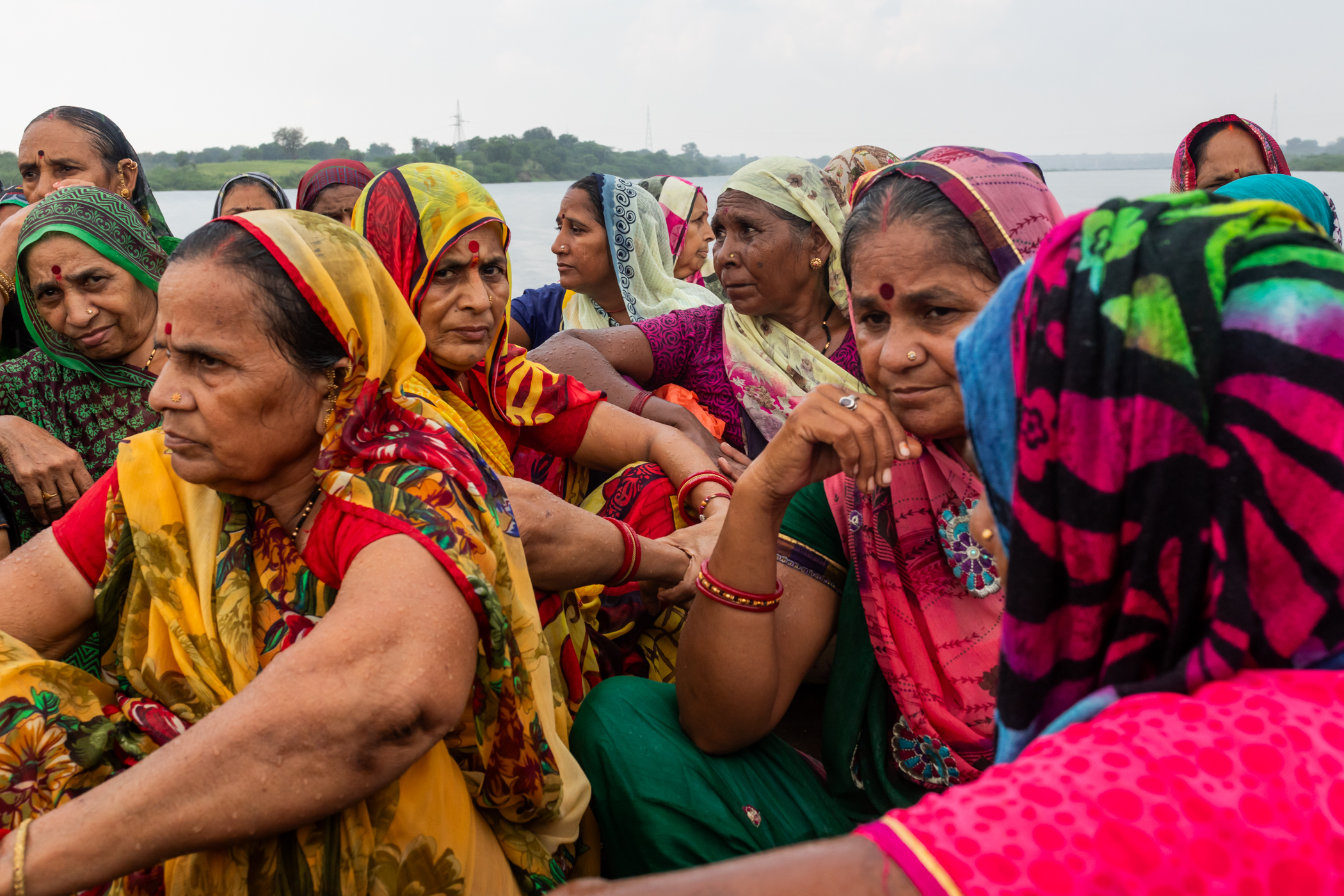
Women protest in Nisarpur with the Narmada Bachao Andolan against the proposed closure of a bridge over the Uri Baghri, a crucial link to tribal settlements in the hills. September 10, 2017.
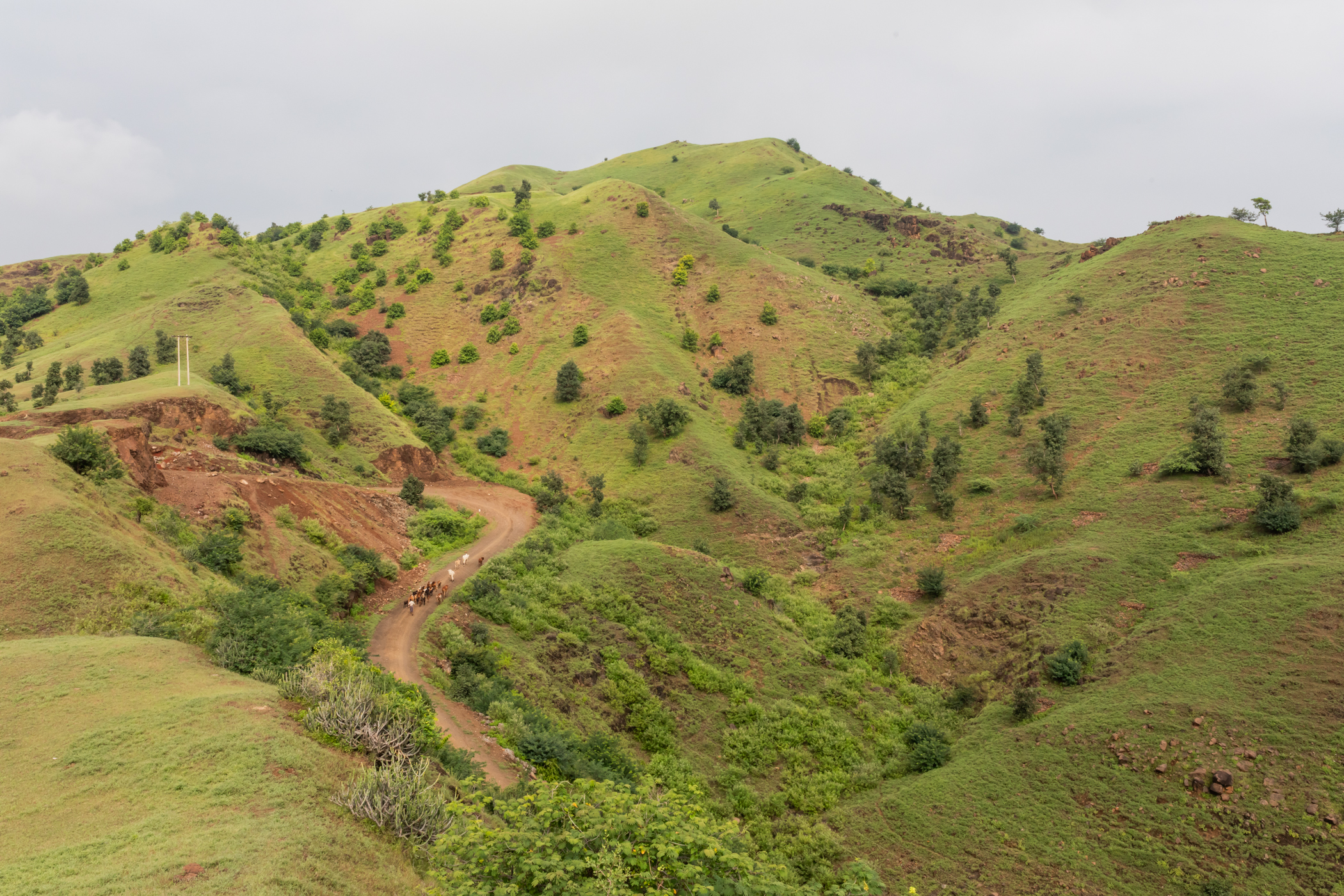
A shepherd walks with his livestock through hills abutting the Narmada at Borkhedi in Barwani, Madhya Pradesh. September 13, 2017.
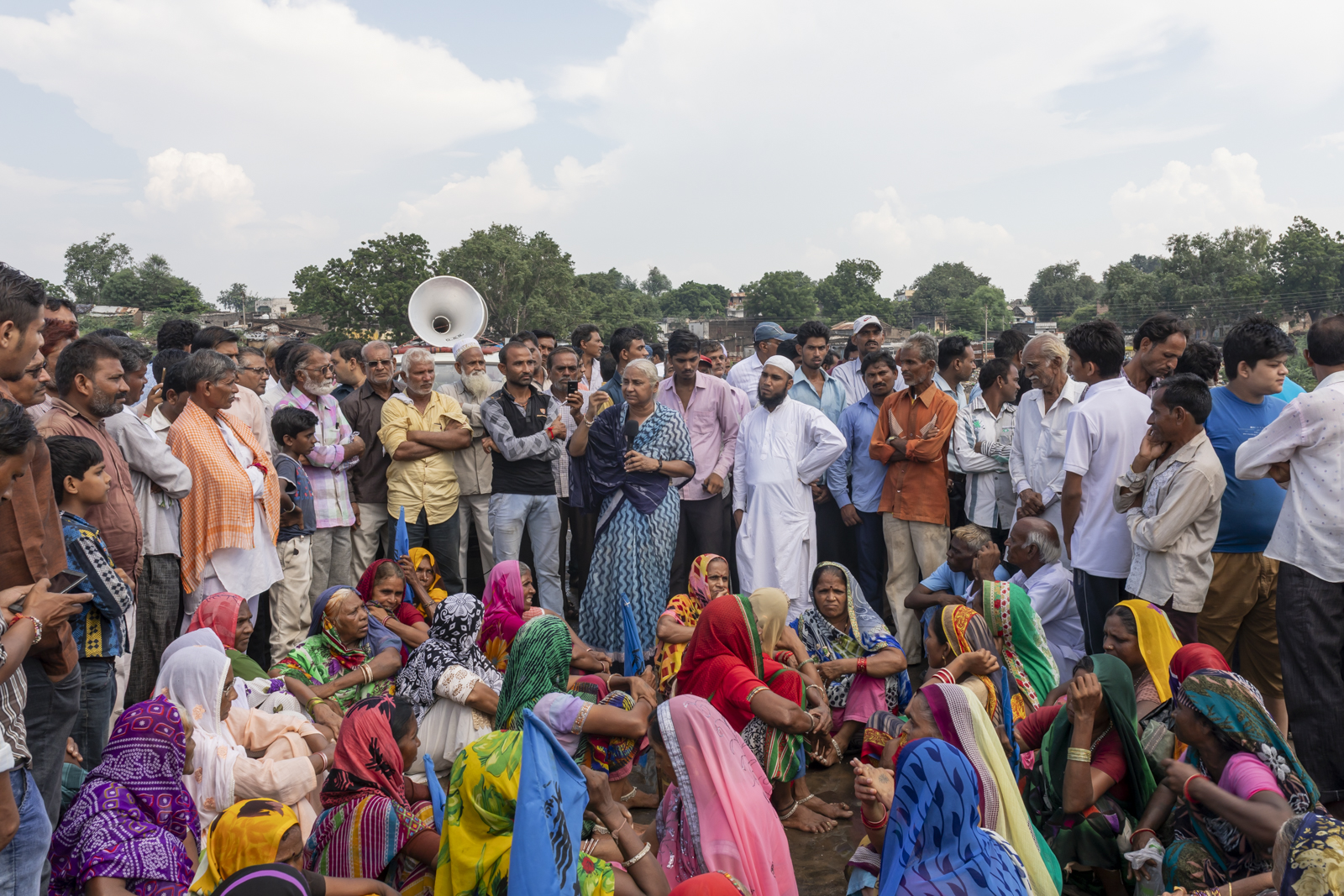
Medha Patkar, founding member of the Narmada Bachao Andolan, speaks at a protest in Nisarpur, Madhya Pradesh. September 10, 2017.
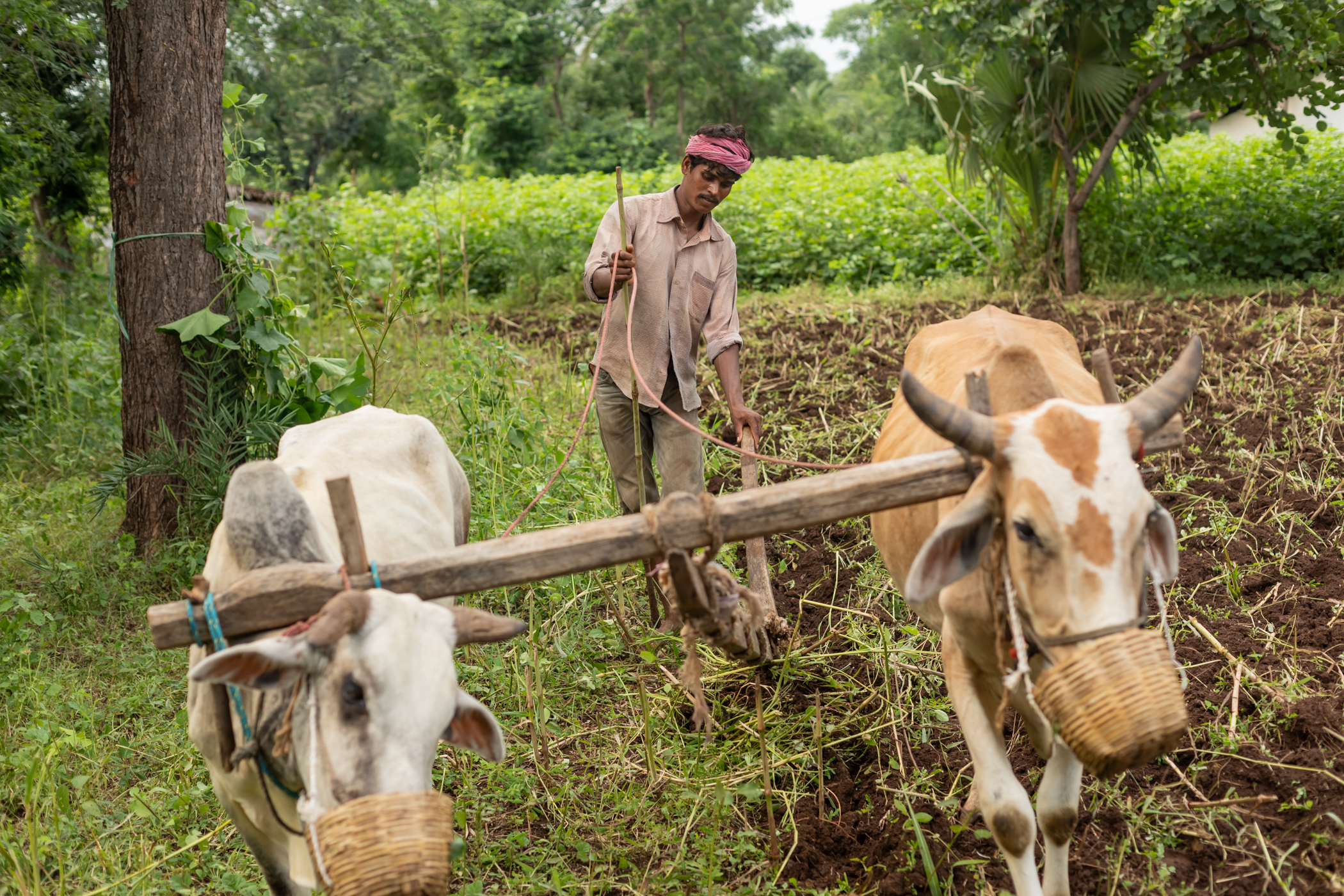
Suresh Dharwa tills his one-acre plot to sow maize in Mahalgaon, Madhya Pradesh. September 12, 2017.
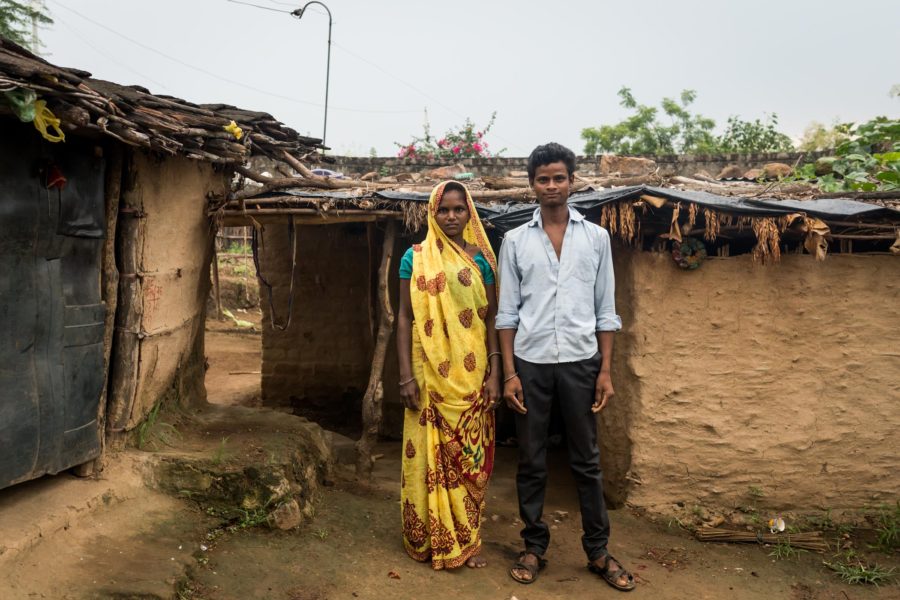
Rakesh Vaskale (25) and Lalita (24) are Indigenous Mankar farmhands who earn INR 100 each for a day spent picking cotton or harvesting maize in Dehar, Dhar, Madhya Pradesh. The village, relocated in 2005, is now facing submergence again. The couple may accompany Rakesh’s father, who has been offered resettlement in Gujarat. September 11, 2017.
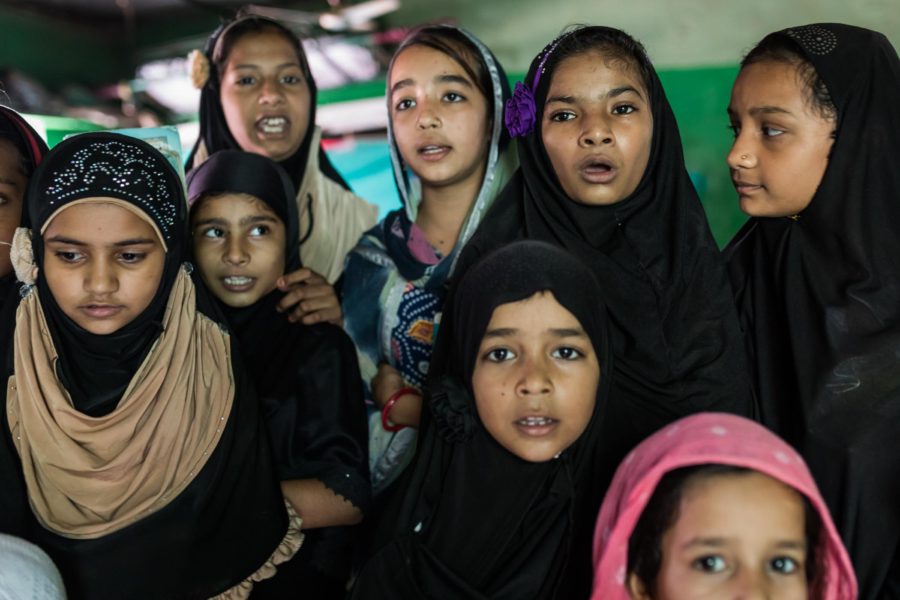
Students read prayers towards the end of the day’s classes at a madarsa in Chikhlada, Dhar, Madhya Pradesh. September 10, 2017.
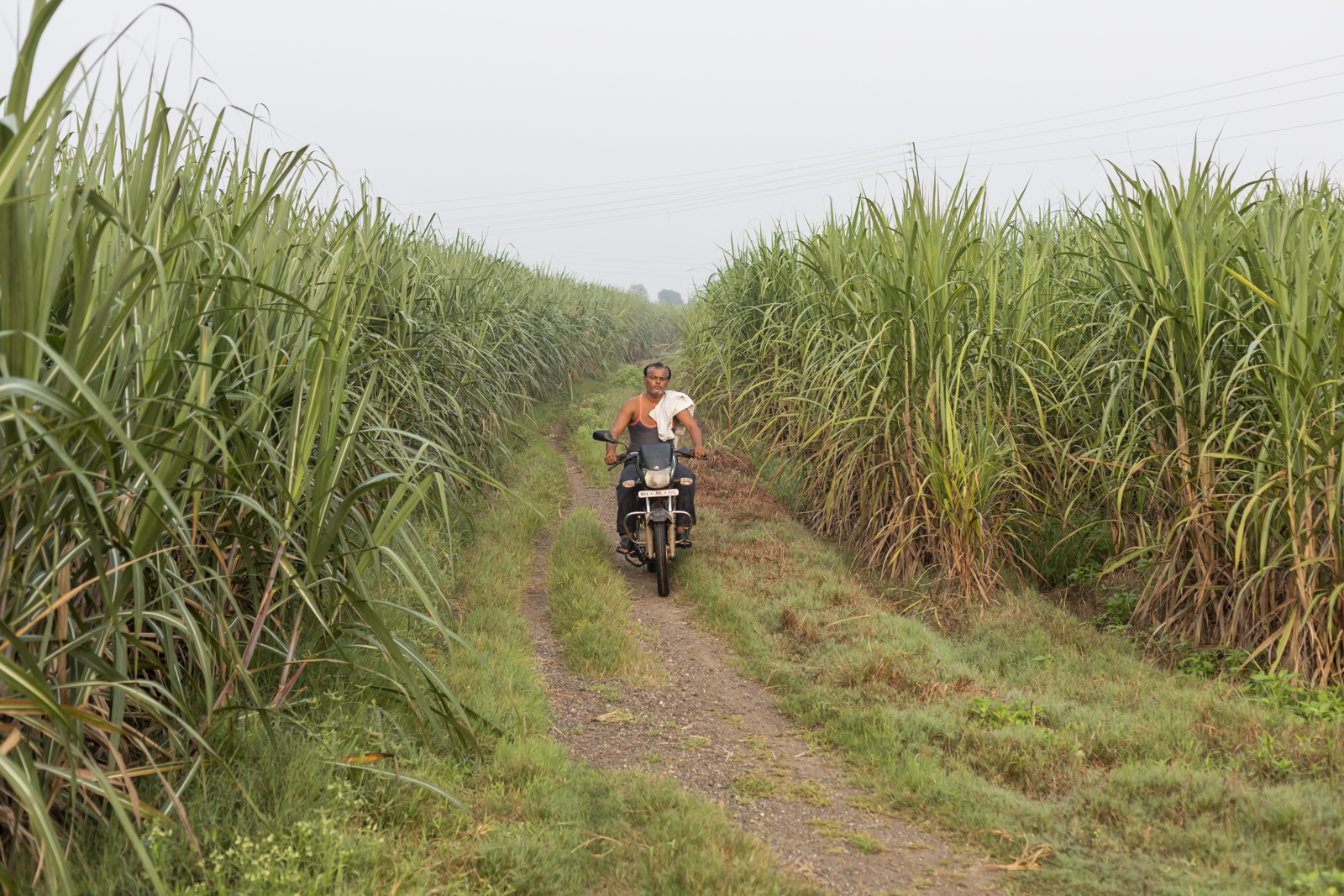
A farmer returns from his sugarcane field in Awali in Barwani, Madhya Pradesh. September 08, 2017.
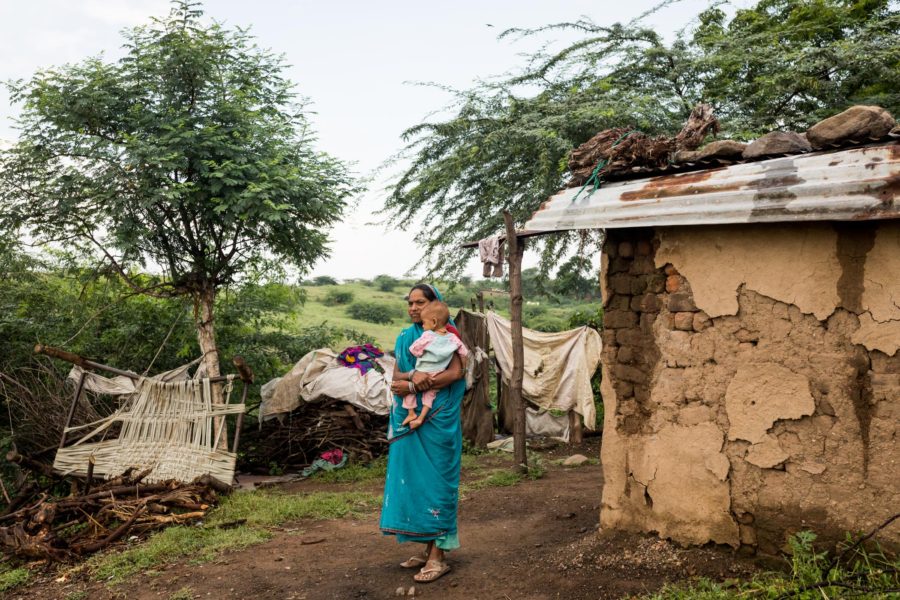
Rekha (25) and her family live atop a hillock by the Uri Baghri, a tributary of the Narmada, in Nisarpur, Dhar, Madhya Pradesh. As dam waters flood the surrounding low-lying areas, the hillock will no longer be habitable. Rekha said she has not received any compensation or land yet despite filing petitions with the gram panchayat at least six times. September 10, 2017.
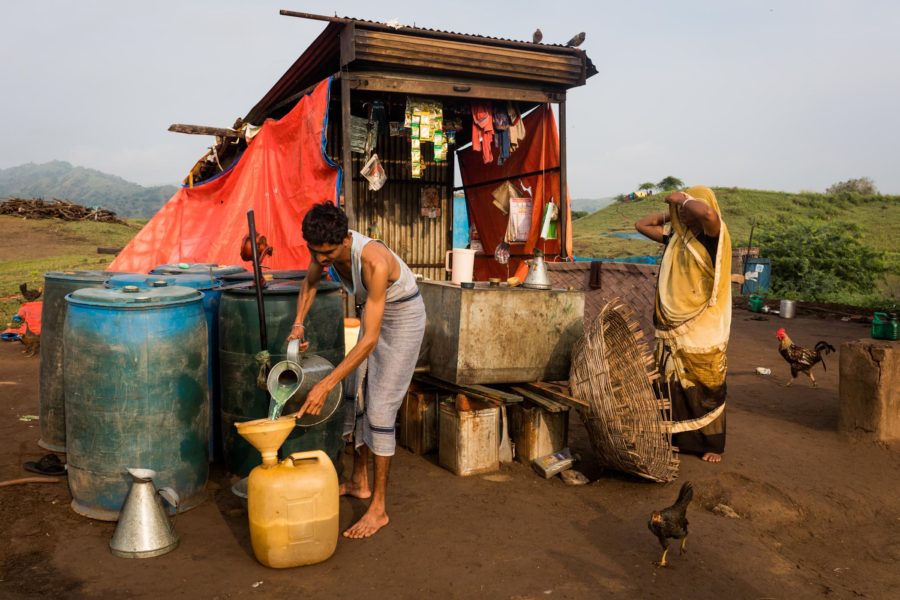
Kirta Bhaila, 38, fills up a jerry can with fuel for one of his two motorised boats. Bhaila and his wife Jili, 36, are now the only residents of a neighbourhood that has turned into an island, in Kakrana, Alirajpur, Madhya Pradesh. September 12, 2017.
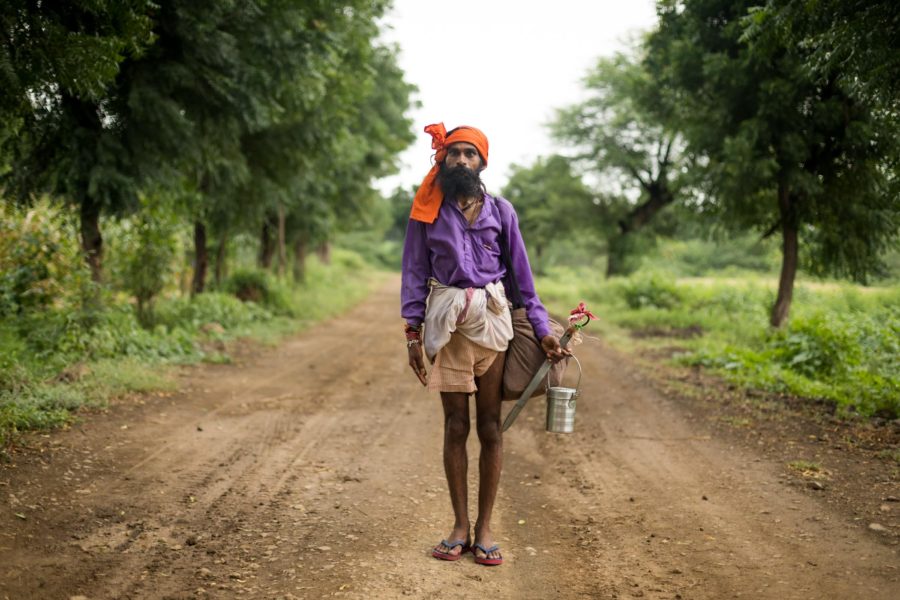
Lahidas Kanes, 32, was a policeman before he left home two years ago and embarked on the Parikrama, a 2,600-km circular journey around the Narmada from its birthplace in Amarkantak to the sea and back. He was walking back to Amarkantak–which could take another year–when he was photographed in the hills near Dehar, Dhar, Madhya Pradesh. The rising backwaters of the dam are expected to drown most of the places and shrines associated with the Parikrama. September 11, 2017.
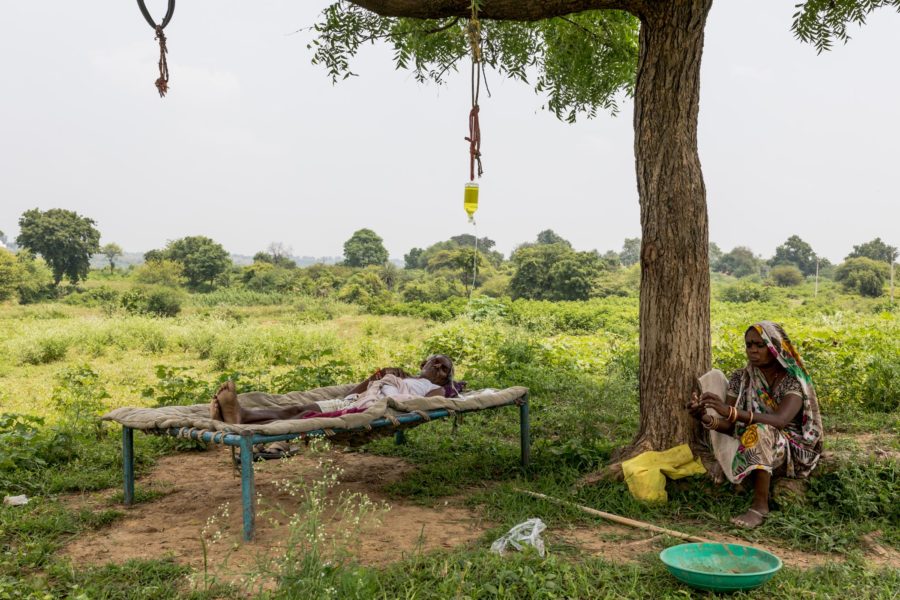
Sitaram Semliya (65) is on IV fluids to treat his jaundice and viral infection. Semliya and his wife Sajanbai (55), farm workers from Segaon in Dhar, Madhya Pradesh, are unable to make a living for the past eight days and may soon lose their home to the dam’s flooding backwaters. September 08, 2017.
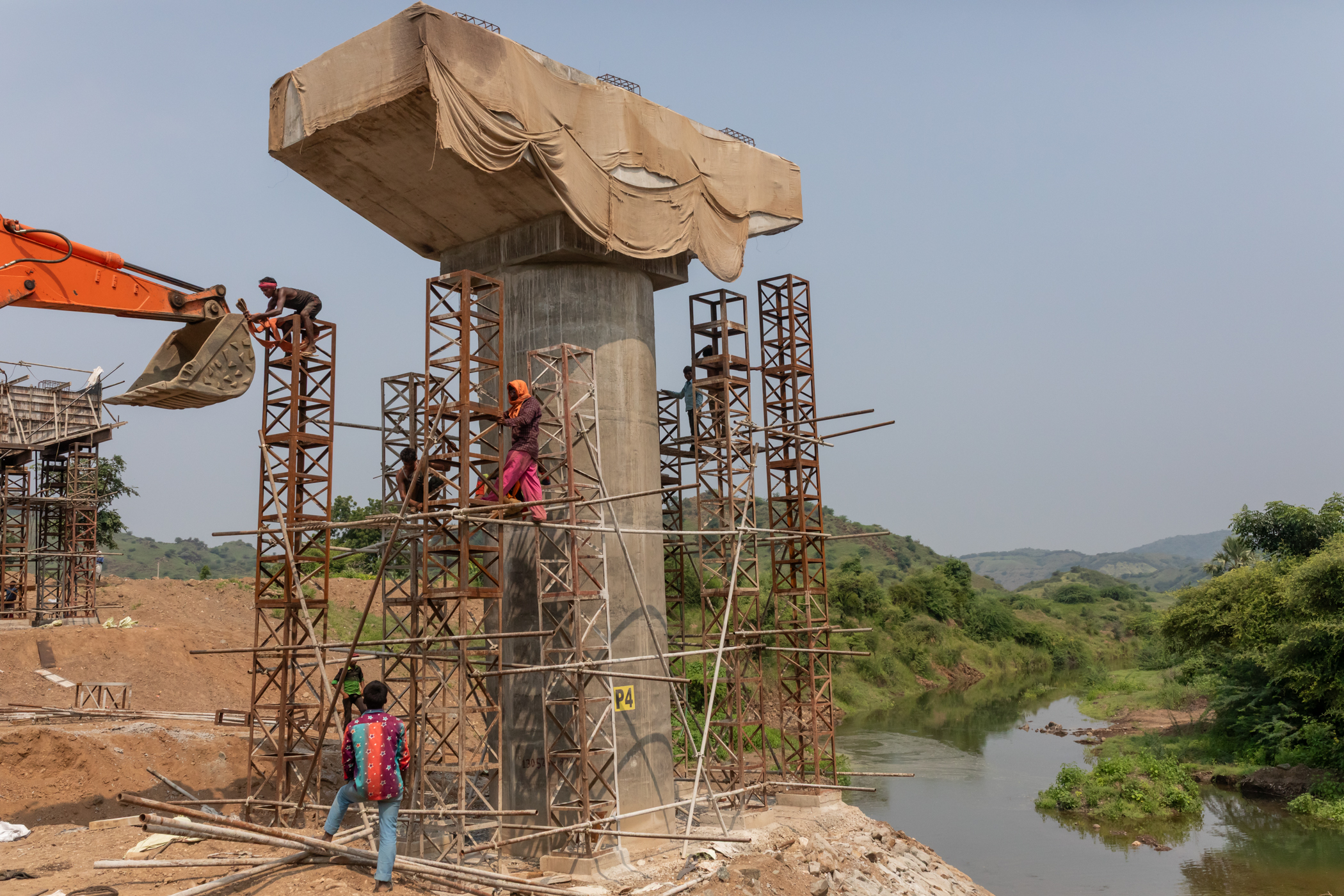
A bridge comes up across the backwaters of the Narmada at Borkhedi, Barwani, Madhya Pradesh. September 09, 2017.
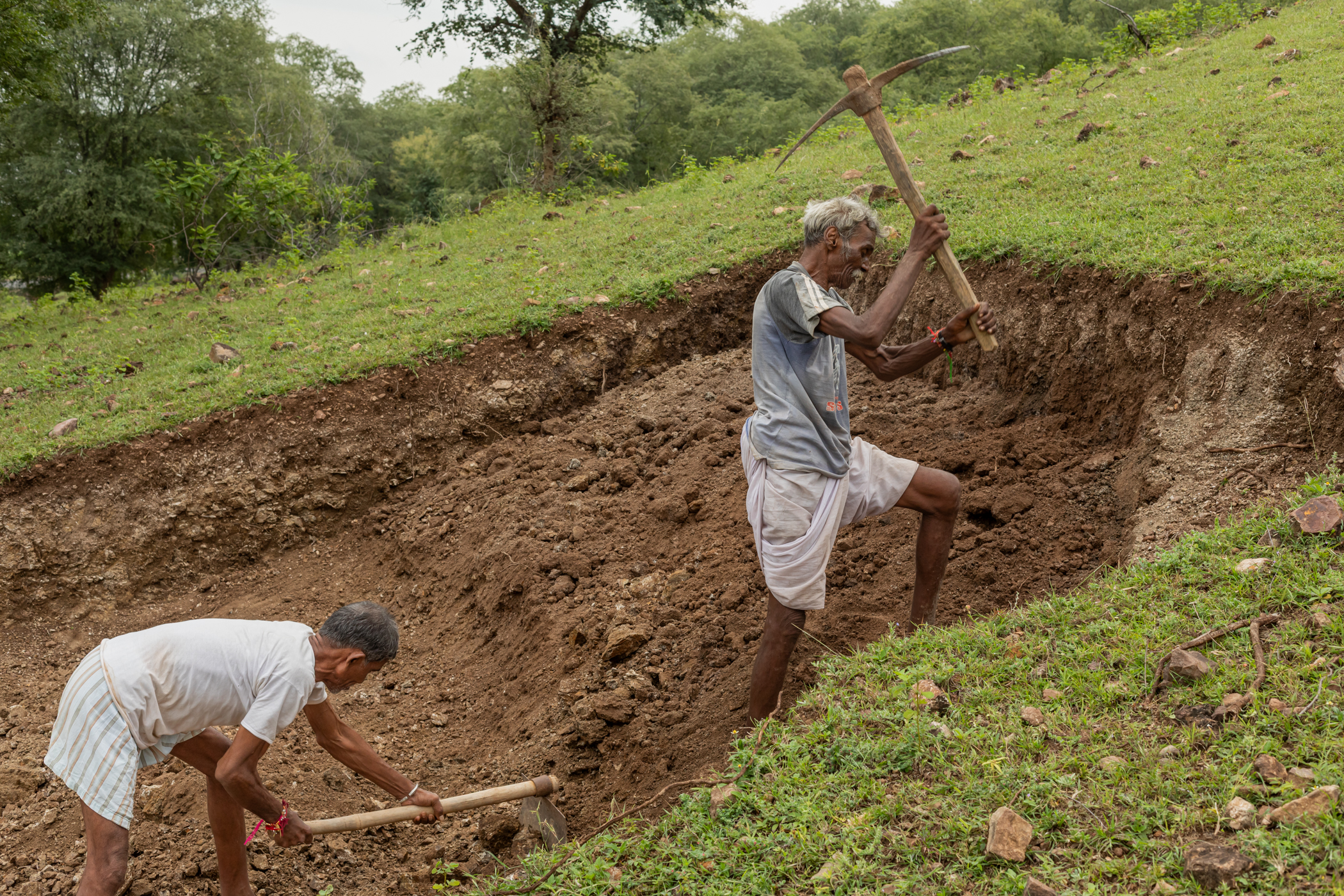
Mohan Barmal (60) and a hired labourer work on building a temple to Goddess Durga near his home at the rehabilitation site for the village of Pichhodi in Barwani, Madhya Pradesh. Part of the compensation he received is going into building the temple. September 13, 2017.
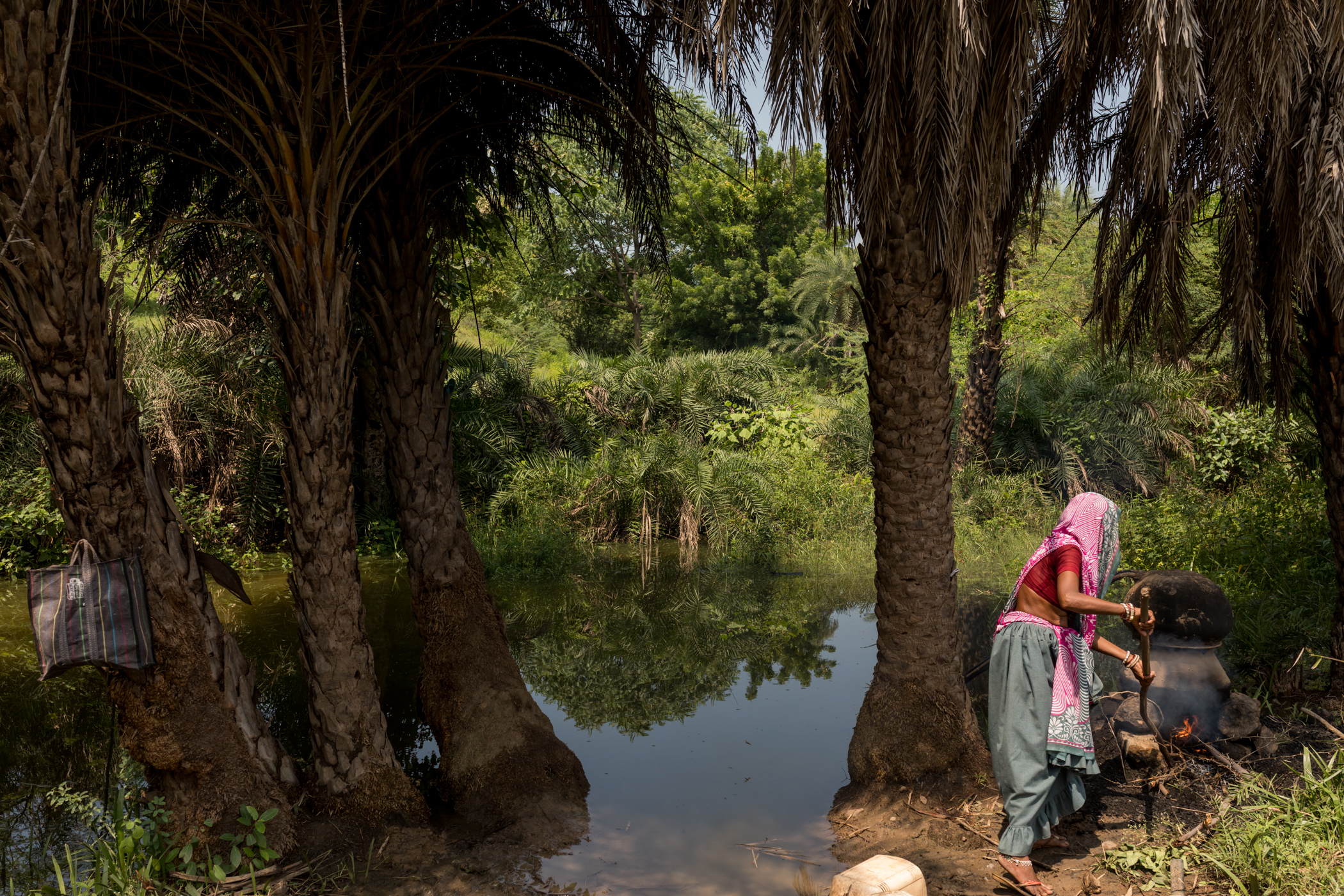
A Barela woman brews mahua liquor even as the rising waters of the Narmada reach her farm in the hills near Nisarpur, Dhar, Madhya Pradesh. September 11, 2017.