Harsha Vadlamani Photojournalist, Documentary Photographer and Filmmaker in India

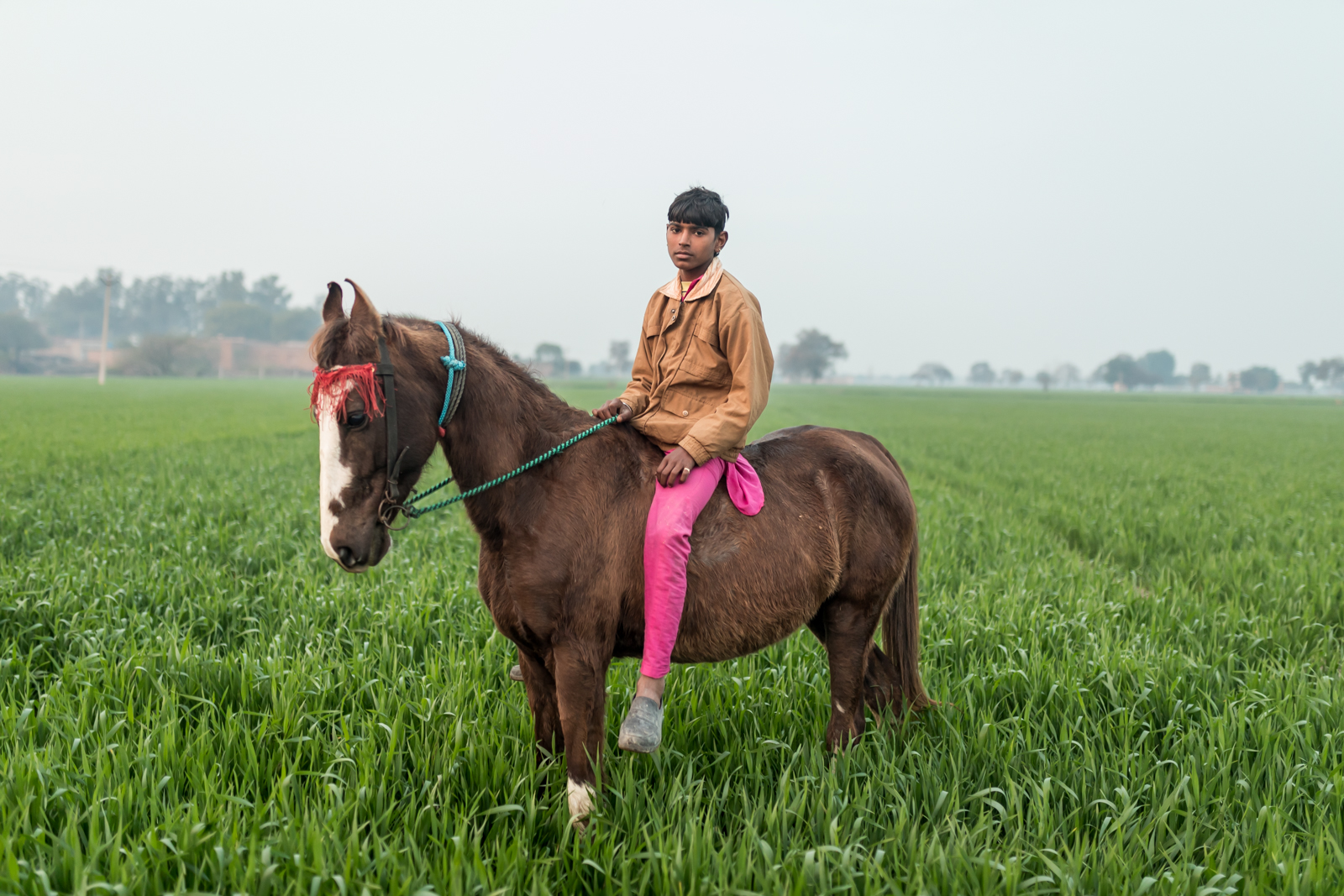
Heavy Lies the Grain

The Green Revolution of the 1960s saved India from famine and hunger. In Punjab, a focus area, intensive monocropping led to depleting aquifers and illnesses.
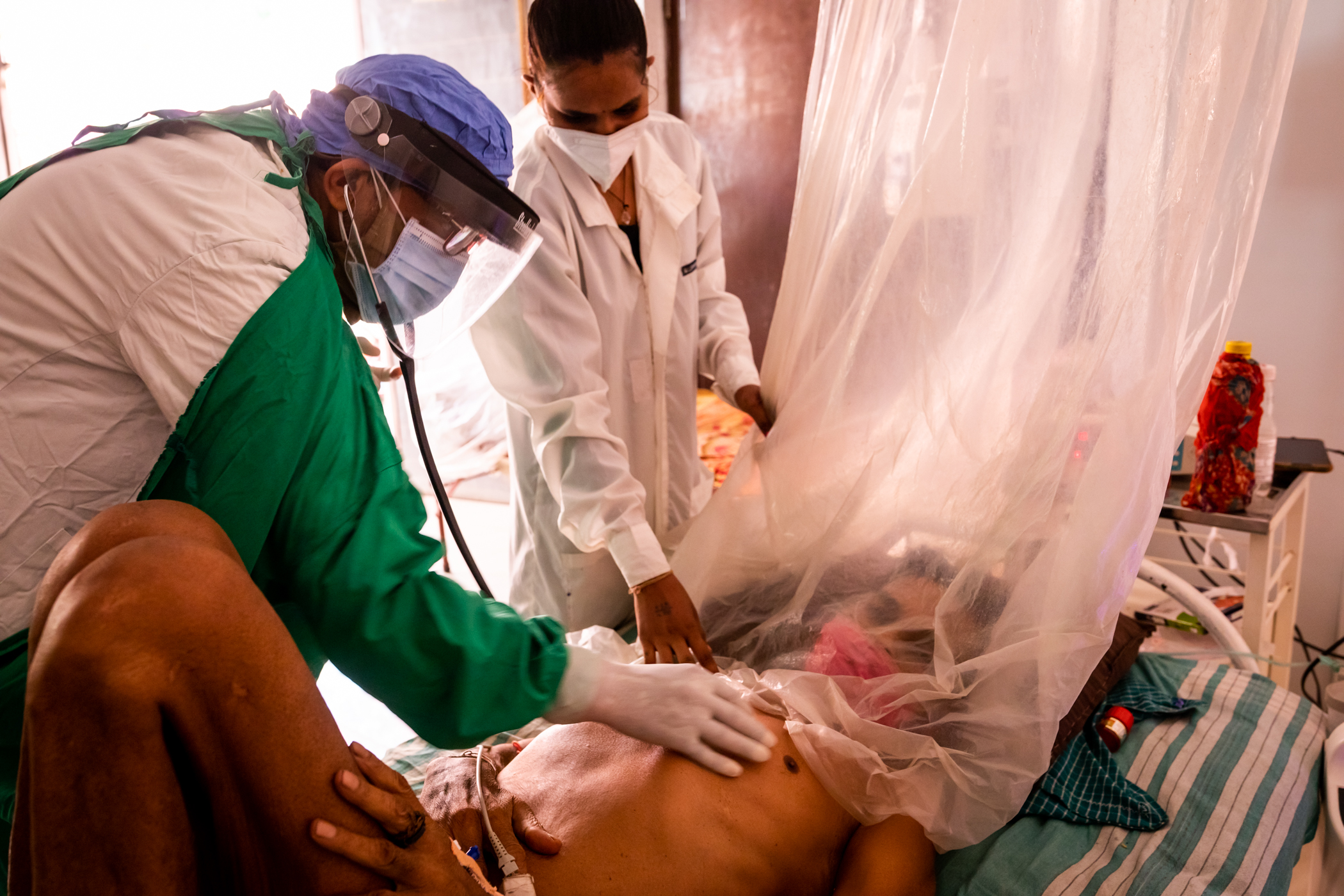
Dr Ashish Satav, 49, checks on Sonaji Savalkar, 60, who tested positive for COVID-19 at the MAHAN Trust’s hospital in Utavali in the Melghat region of Amravati, Maharashtra. The plastic sheets used when Satav visited the patient were intended to prevent the hospital’s only senior doctor handling COVID-19 cases from catching an infection. May 31, 2021.

Battling the Wave

As the second wave of the pandemic battered rural India, a few idealistic doctors and healthworkers pitched in to help isolated communities.
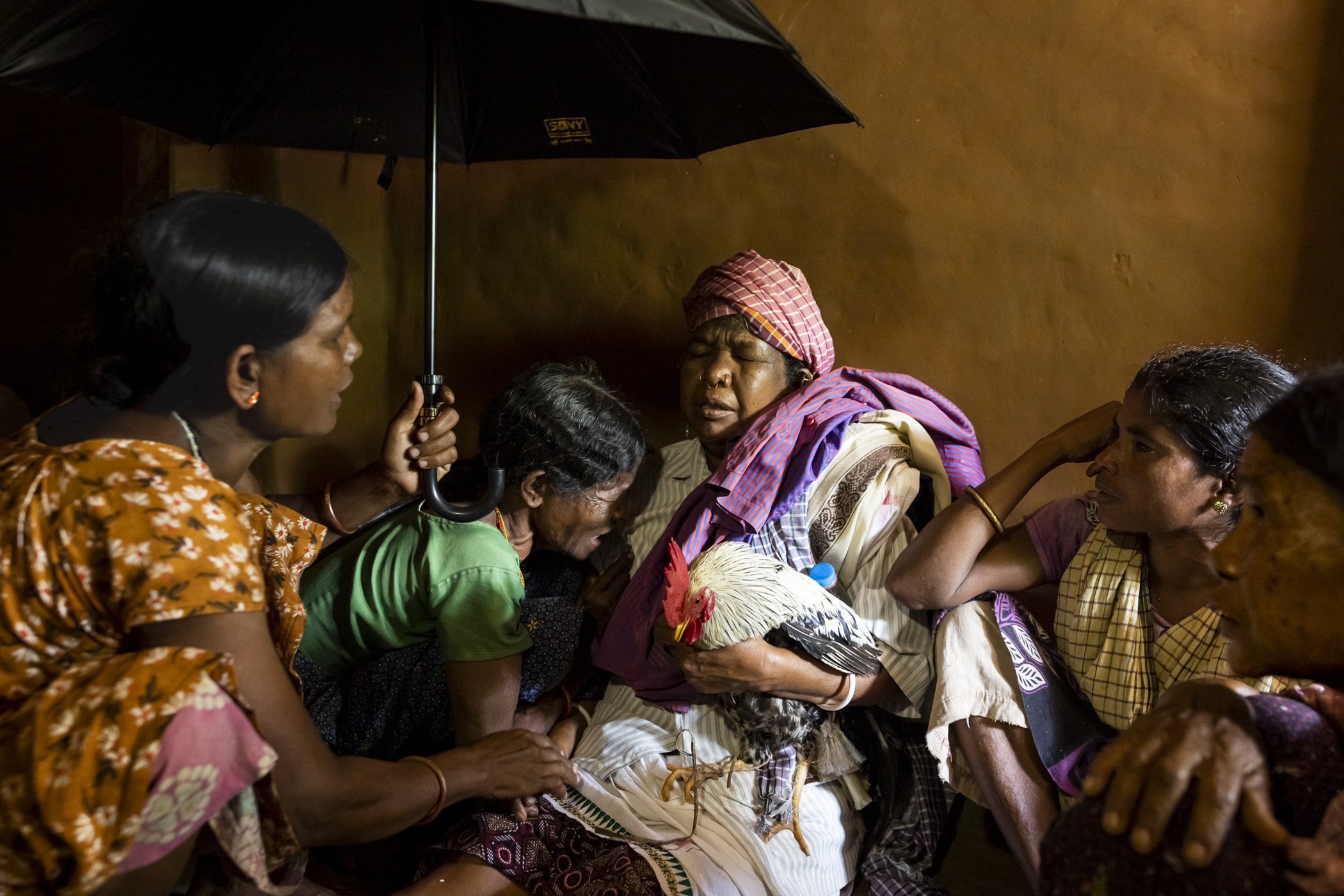
Sora shaman Lokami channels Sakana Soboro, who passed away three months ago after a brief illness and now speaks through her with his relatives. The chicken, the clothes on his shoulder and umbrella are all offerings from his family. Jorrepi, Odisha, India.

Dialogues with the Dead

In the highlands of Eastern India, generations of Sora shamans connected the living with the dead. The arrival of new religions, however, is leading to the loss of these traditions.
Harsha Vadlamani Photojournalist, Documentary Photographer and Filmmaker in India

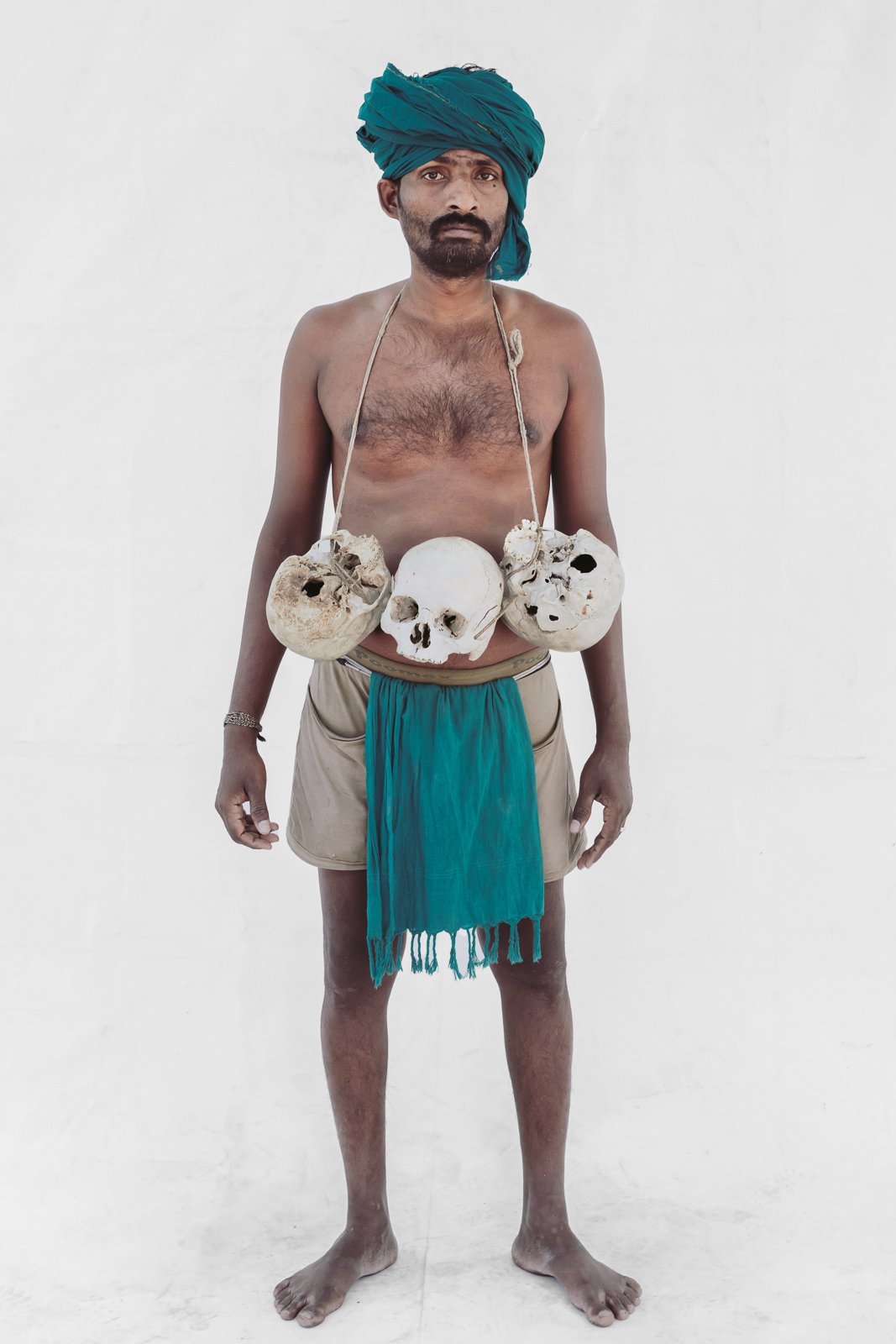
Chalo Dilli

Every year, thousands travel from across India to protest at Jantar Mantar, Delhi’s designated protest space.
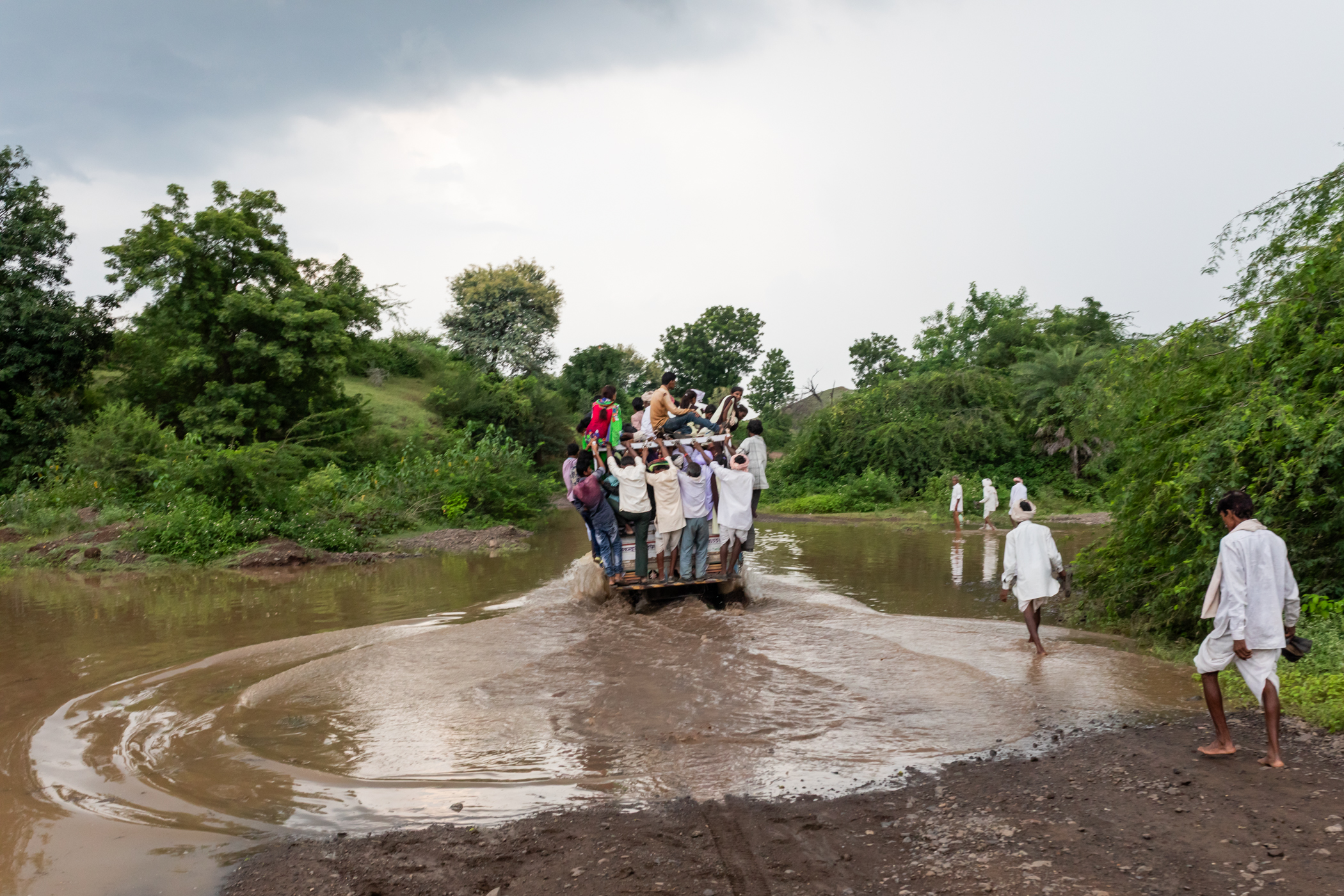
A jeep carrying Adivasis (Indigenous people) up the hill towards Chandankhedi in Dhar, Madhya Pradesh, passes through the rushing backwaters of the Sardar Sarovar Dam's reservoir. On June 17, all gates of the controversial dam on the river Narmada were closed together for the first time, leading to the gradual submergence of areas upstream. September 11, 2017.

Waters Close over Us

The Narmada Valley Project led to the displacement of thousands of Indigenous communities along the river Narmada in central India.
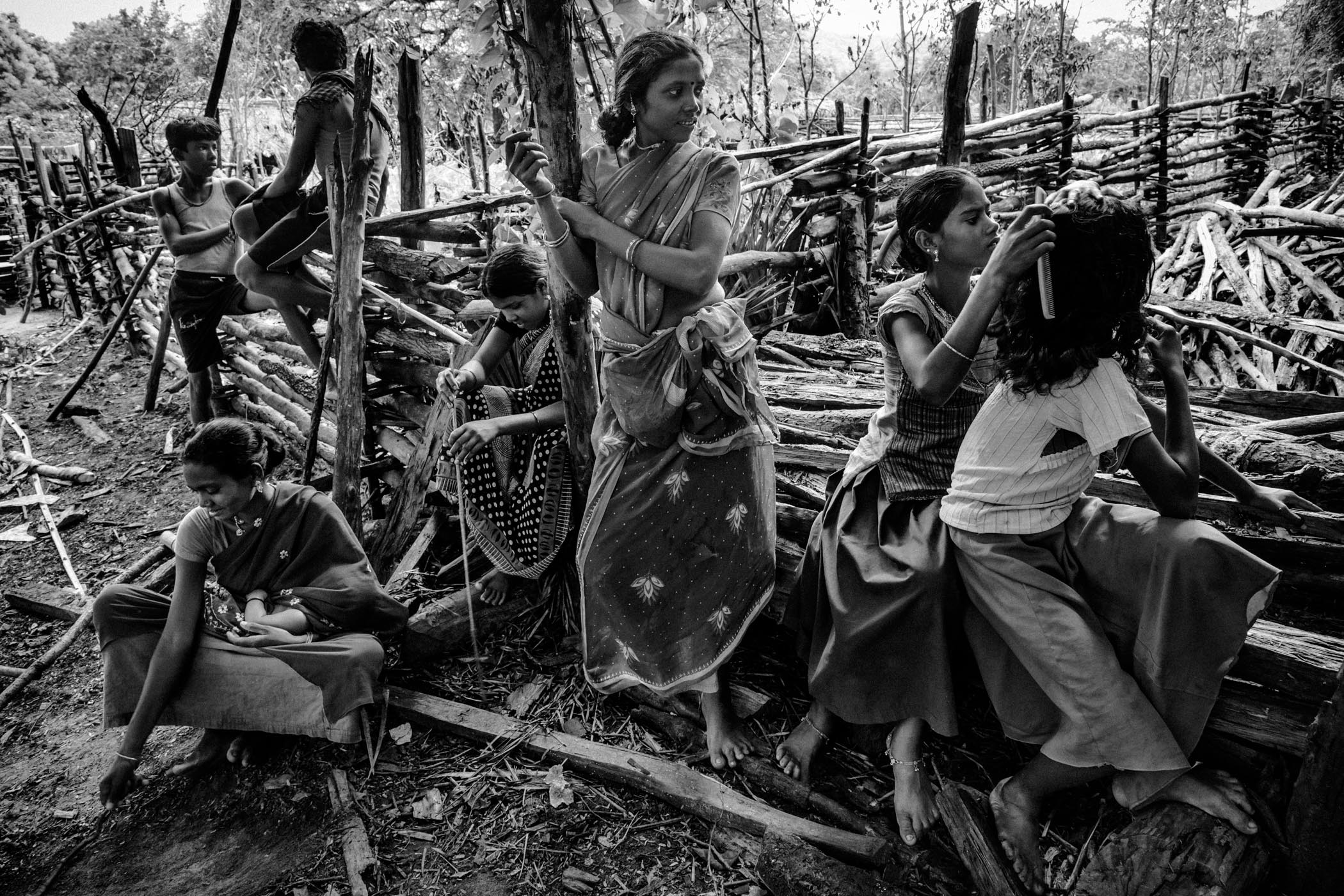
Indigenous Murias spend an afternoon under a banyan tree in Balimera.

The Muria isn’t Home

Thousands of Muria Indigenous people had to migrate after being caught in the crossfire between Maoist rebels and security forces in central India.
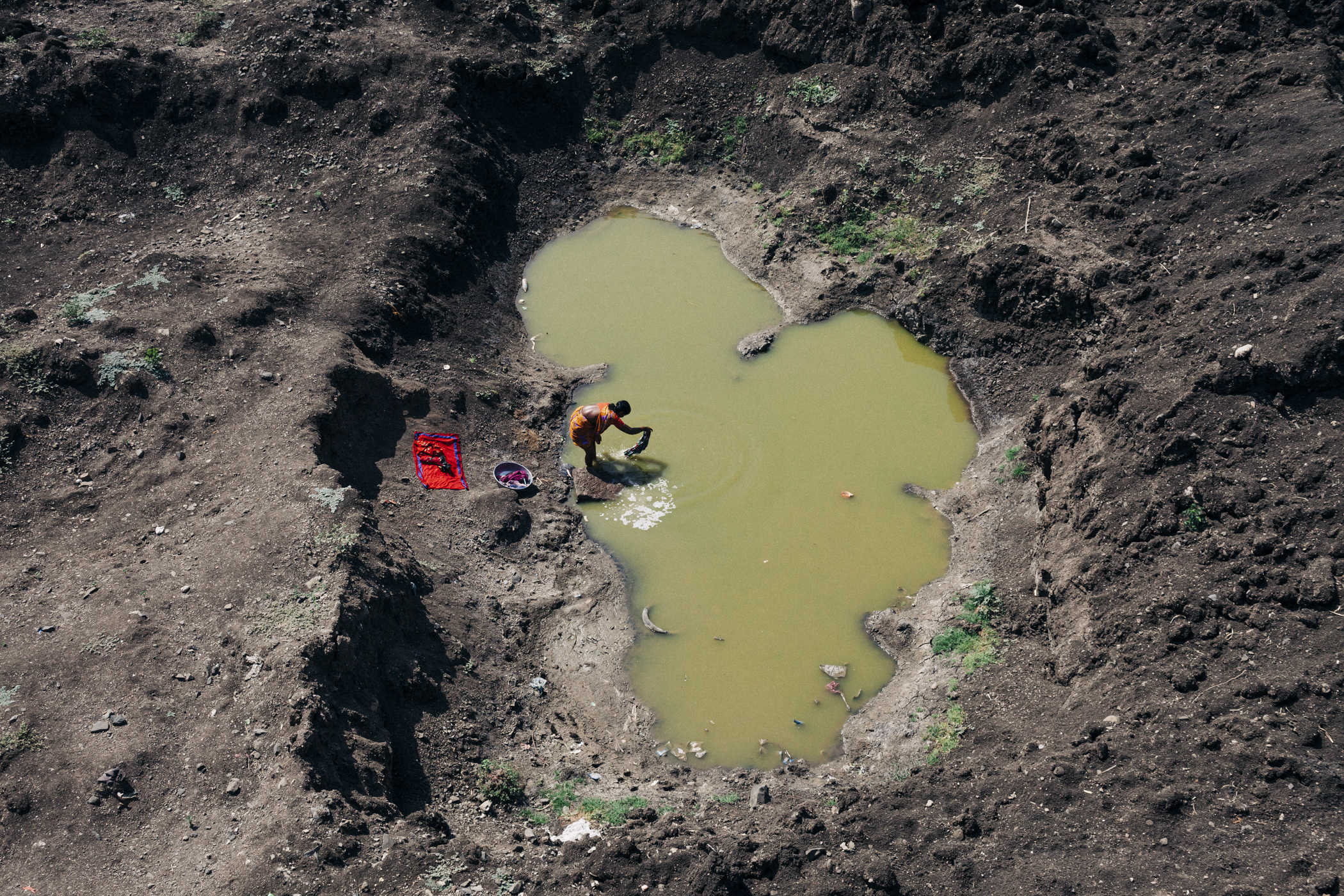
A woman washes clothes in the Manjra at Arjkheda village on the outskirts of Latur, Maharashtra. May 03, 2016.

Parched

In Marathwada in west-central India, a drought in the summer of 2016, caused severe hardships to rural populations and forced several farmers to take their own lives.
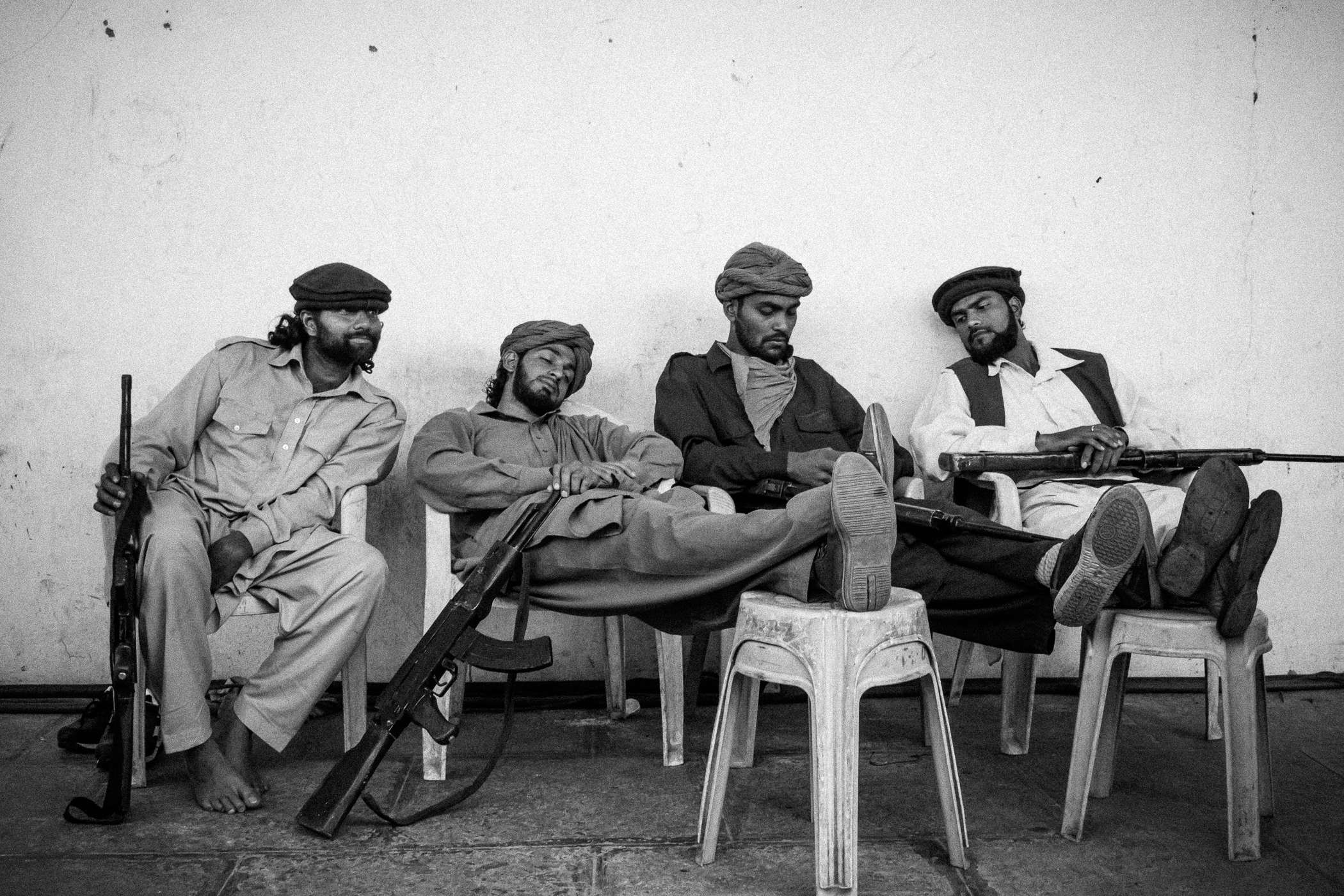
Junior artistes, acting as Taliban fighters in a scene set in Pakistan, at Ramoji Film City, Hyderabad. December 2012.

For a Handful of Stardust

The Krishna Nagar neighbourhood in Hyderabad attracts aspiring actors and technicians from across the Telugu-speaking regions of southern India.